
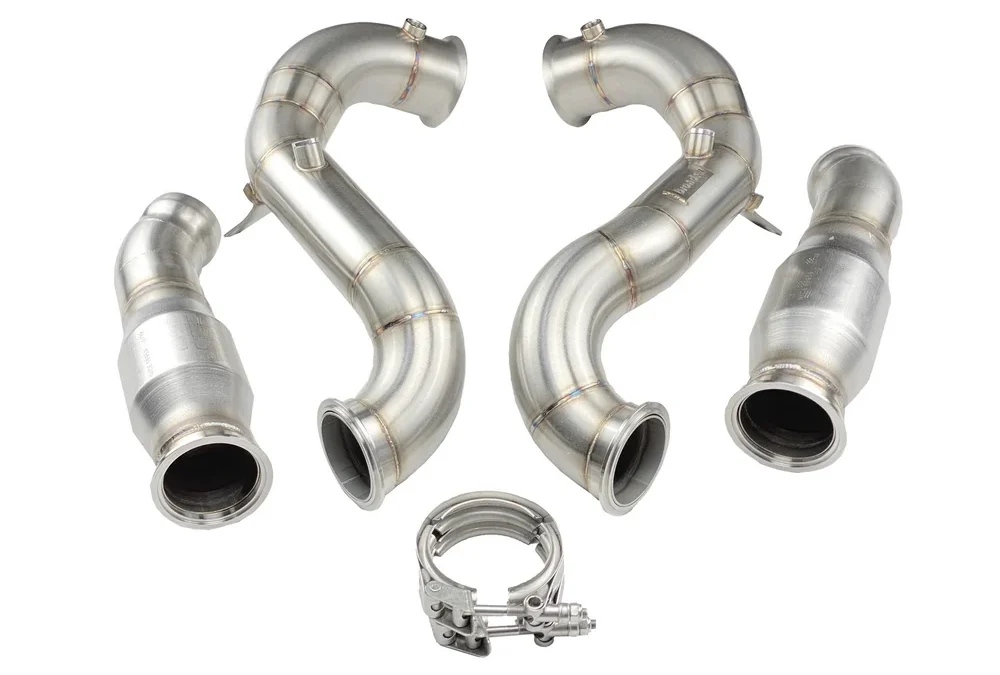
Modern luxury performance cars combine impressive engine power, advanced technology, and premium driving comfort. Vehicles such as the Audi RS6 C8 and Mercedes-AMG GT63 X290 are designed to deliver exceptional acceleration and dynamic performance. However, automotive enthusiasts often explore aftermarket exhaust modifications to personalize their vehicles and enhance their driving experience. Performance downpipes are among the popular upgrades for turbocharged engines because they influence exhaust gas flow, sound, and overall exhaust system characteristics.
Understanding Performance Downpipes
Downpipes are important components of turbocharged exhaust systems. They connect the turbocharger outlet to the rest of the exhaust assembly, allowing exhaust gases to travel away from the engine. Their construction, diameter, material, and internal design can influence exhaust flow and backpressure.
Factory-installed downpipes are generally engineered to balance performance, emissions, comfort, and noise regulations. Aftermarket options provide different configurations for drivers who want to customize their vehicles. Selecting the right product requires careful consideration of engine specifications, vehicle compatibility, and local emissions requirements.
Audi RS6 C8 Downpipes for Performance Enthusiasts
The Audi RS6 C8 is widely appreciated for its powerful twin-turbocharged V8 engine, sporty styling, and practical luxury design. Owners interested in customizing its exhaust system often explore Audi RS6 C8 downpipes as part of a performance-focused modification. Related: A Cleaner Home Starts With Smarter Waste Collection and Responsible Disposal
High-quality aftermarket downpipes are available in different configurations, including various catalytic converter arrangements and pipe designs. Stainless steel is a popular material because of its corrosion resistance, durability, and ability to withstand high exhaust temperatures.
A properly engineered downpipe system may help optimize exhaust flow and contribute to a more aggressive exhaust character. Depending on the complete vehicle setup, supporting modifications, and engine calibration, exhaust upgrades may also influence overall performance.
Before purchasing, owners should confirm compatibility with the RS6 C8 model year, engine configuration, turbocharger connections, and existing exhaust components.
Benefits of Upgrading Audi RS6 C8 Exhaust Components
Upgrading exhaust components can provide several customization opportunities for performance enthusiasts. Related: Dealing With Rust Stains, Unpleasant Odors, and Cloudy Water: Finding the Right…
Some potential advantages include:
- Improved exhaust flow through an appropriately designed system.
- A deeper and sportier exhaust sound, depending on the configuration.
- Durable construction using quality stainless steel.
- Greater flexibility when building a customized exhaust setup.
- Compatibility with selected performance modifications.
Actual results depend on product engineering, installation quality, and the vehicle’s overall configuration. Not every aftermarket downpipe delivers the same results.
Mercedes GT63 X290 Downpipe for a Customized Exhaust Setup
The Mercedes-AMG GT63 X290 combines sophisticated engineering with impressive acceleration and luxurious interior comfort. Its powerful turbocharged engine makes it an attractive platform for enthusiasts interested in performance exhaust modifications.
Choosing a Mercedes GT63 X290 downpipe can be an important step when planning an exhaust system upgrade. Different aftermarket configurations are designed to provide specific exhaust characteristics, construction quality, and vehicle fitment.
Buyers should compare pipe diameter, material thickness, welding quality, catalytic converter configuration, and compatibility with the original exhaust assembly. A carefully engineered product should provide accurate connections and suitable clearance around surrounding engine components.
Catted and Catless Downpipe Options
Downpipes are generally available in catted and catless configurations. Related: A Fresh Approach to Better Household Water: Finding a Filtration System That…
Catted downpipes incorporate catalytic converters designed to reduce harmful exhaust emissions. Their suitability depends on the converter specification and applicable regulations.
Catless downpipes remove the catalytic converter and may change exhaust flow and sound characteristics. However, they can significantly increase emissions and may not be legal for public-road use. Buyers should understand local regulations before considering this configuration.
Important Factors When Choosing Downpipes
Selecting the right downpipe requires attention to several important details:
Material quality: Stainless steel construction can provide durability and corrosion resistance.
Vehicle compatibility: Verify the exact model, production year, and engine specifications. Related: How to Budget for Outsourced Marketing in a Competitive Forex Market
Manufacturing precision: Quality bends, accurate dimensions, and professional welding are essential.
Installation requirements: Professional fitting helps prevent exhaust leaks, vibrations, and clearance problems.
Emissions compliance: Always check applicable road-use and inspection regulations.
Professional Installation and Maintenance
Modern Audi and Mercedes-AMG vehicles feature sophisticated engine management and exhaust monitoring systems. Therefore, professional installation is recommended. Experienced technicians can inspect connections, verify clearances, identify potential leaks, and check for electronic faults.
Regular inspection helps maintain exhaust system reliability and identify problems before they become expensive repairs. Related: Better Water Starts With the Right Technology and People Who Know Their…
Conclusion
Performance downpipes offer Audi RS6 C8 and Mercedes-AMG GT63 X290 owners an opportunity to personalize their exhaust systems. Choosing quality components, confirming exact vehicle fitment, and prioritizing professional installation are essential when planning an upgrade. By considering construction, compatibility, exhaust characteristics, and emissions regulations, enthusiasts can make informed decisions and build a dependable performance exhaust setup.