
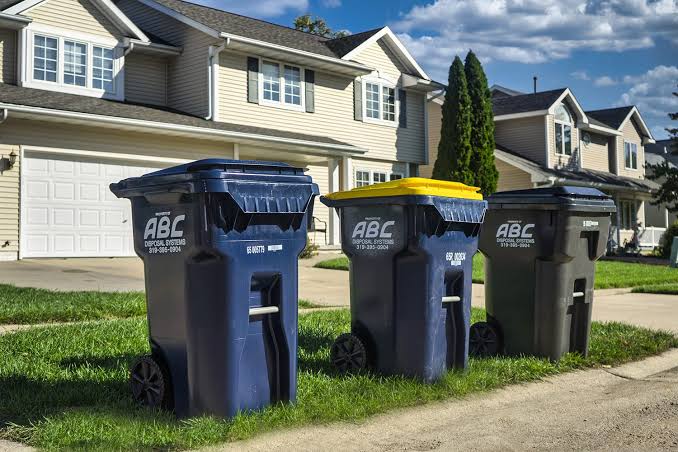
It’s remarkable how quickly unwanted stuff accumulates around the house. Between grocery packaging, empty delivery boxes, garden debris, and belongings we no longer use, keeping everything under control can feel like a never-ending task. And when life gets particularly busy, dealing with household waste often falls to the bottom of the priority list.
Having reliable garbage pickup makes managing everyday household waste considerably easier, allowing families to maintain cleaner surroundings without constantly worrying about overflowing containers or unnecessary trips to disposal facilities.
However, effective waste management involves more than putting a bin outside once a week. Understanding how to dispose of different materials, reduce unnecessary waste, and handle larger cleanup projects can make everyday living more organized and environmentally responsible.
Building a Household Waste Collection Routine That Works
Every household generates a different amount of waste. A family with young children might fill several garbage bags each week, while someone living alone may produce considerably less.
The trick is finding a collection arrangement that suits your lifestyle.
Pay attention to how quickly your containers fill and whether your current collection schedule meets your needs. If you’re constantly struggling to close the lid, it might be time to consider additional capacity or more effective waste separation. Related: Dealing With Rust Stains, Unpleasant Odors, and Cloudy Water: Finding the Right…
Storing garbage properly matters, too. Secure bags, keep container lids closed, and periodically clean the bins to prevent unpleasant odors.
These simple habits become especially important during warmer months when food scraps can attract insects and other unwanted pests.
A little consistency goes a long way toward maintaining a cleaner property.
Making Better Use of Materials We Usually Throw Away
Have you ever looked inside your garbage bin and noticed how much of its contents consists of packaging? Cardboard boxes, beverage containers, and plastic bottles can occupy a surprising amount of space.
Making recycling part of your everyday household routine can help reduce the amount of waste sent for disposal while encouraging more responsible use of valuable materials.
Start with a separate container for locally accepted recyclable items. Position it somewhere convenient so that sorting materials doesn’t feel like another demanding chore.
Check your collection provider’s guidelines before discarding unfamiliar packaging. Not every plastic container or paper product is accepted by every program.
It’s also worth considering reuse. Glass jars can become storage containers, sturdy cardboard boxes may be useful when moving, and unwanted clothing might find a second life through donation.
Sometimes, an item we consider garbage still has plenty of usefulness left. Related: A Fresh Approach to Better Household Water: Finding a Filtration System That…
Handling Bigger Cleanup Projects Without the Stress
Ordinary household bins work perfectly well for everyday garbage, but they’re not much help when you’re clearing a cluttered basement or replacing furniture throughout the house.
Larger projects tend to generate far more waste than most people anticipate.
Arranging temporary dumpster rentals offers a practical solution for home renovations, estate cleanouts, landscaping improvements, and other activities that produce substantial amounts of approved debris.
Having a dedicated container onsite allows you to work through the project gradually without constantly loading materials into your vehicle.
Before booking, consider the expected amount of waste, material weight, available placement space, and rental duration.
Ask about accepted materials and potential additional charges. Heavy construction debris may require different arrangements from ordinary household clutter.
Choosing an appropriate container can save considerable time and make the entire cleanup experience less overwhelming.
Reducing Unnecessary Waste Before It Accumulates
One of the easiest ways to improve household waste management is to create less garbage in the first place.
That doesn’t mean making dramatic lifestyle changes or giving up everyday conveniences. Related: How to Budget for Outsourced Marketing in a Competitive Forex Market
Simple decisions, such as purchasing only the groceries you’re likely to use, carrying reusable shopping bags, and choosing durable household products, can make a difference.
Food waste is particularly worth considering. Forgotten vegetables at the back of the refrigerator or leftovers that never get eaten represent both wasted resources and unnecessary household expenses.
Planning meals around ingredients you already have can help prevent these situations.
Where suitable facilities or home composting arrangements are available, certain organic materials may also be diverted from general garbage.
These habits might seem small individually, but their benefits accumulate over time.
Knowing Which Items Require Special Disposal
Not everything belongs in an ordinary household garbage container.
Batteries, chemicals, electronic equipment, certain paints, and automotive products may require specialized disposal arrangements.
These materials can introduce environmental concerns and create safety risks for collection workers when handled incorrectly.
During garage or storage room cleanouts, homeowners frequently discover forgotten containers of household chemicals or outdated electronic devices. Related: Better Water Starts With the Right Technology and People Who Know Their…
Rather than throwing everything away together, check with your local waste provider or designated disposal facility.
It might require an additional trip, but responsible handling helps protect both people and the surrounding environment.
Choosing a Waste Collection Provider You Can Rely On
When comparing waste removal services, affordability matters, but so does consistency.
Ask about collection schedules, container capacities, holiday arrangements, material restrictions, and additional service charges.
Find out whether bulk waste removal or extra collections are available when needed.
Clear communication and responsive customer support can make a considerable difference, particularly when unexpected disposal requirements arise.
The most suitable provider should make household waste management simpler rather than introducing unnecessary complications.
Small Habits, Cleaner Homes, and Better Communities
Managing household waste doesn’t have to become an exhausting responsibility. With dependable collection arrangements, thoughtful purchasing decisions, and appropriate disposal services, families can maintain cleaner and more comfortable surroundings. Related: 10. Finding the Right Water Treatment Solution for a Healthier, More Comfortable…
Start with manageable changes rather than trying to transform every household habit overnight.
The beauty of responsible waste management is that its benefits extend beyond your own property. Cleaner neighborhoods, reduced litter, and more thoughtful resource use contribute to communities everyone can appreciate.
And sometimes, making a positive difference begins with something as ordinary as deciding what belongs in the bin beside your kitchen door.