You turn on the shower, and suddenly the bathroom smells like rotten eggs. Downstairs, the kitchen sink has developed another orange stain, despite being scrubbed just a few days ago. It’s frustrating, especially when you’ve invested time and money into keeping your home comfortable and presentable.
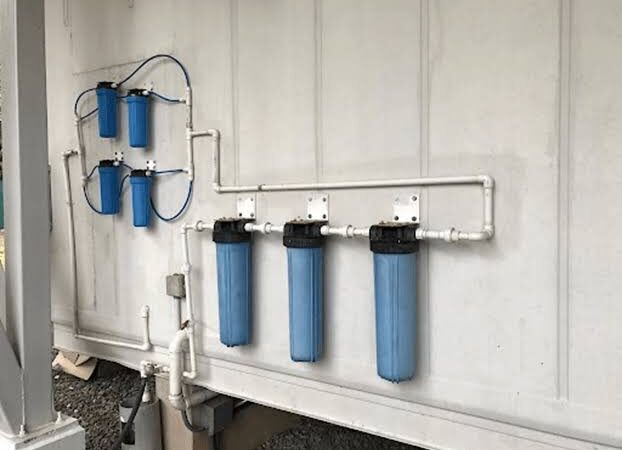
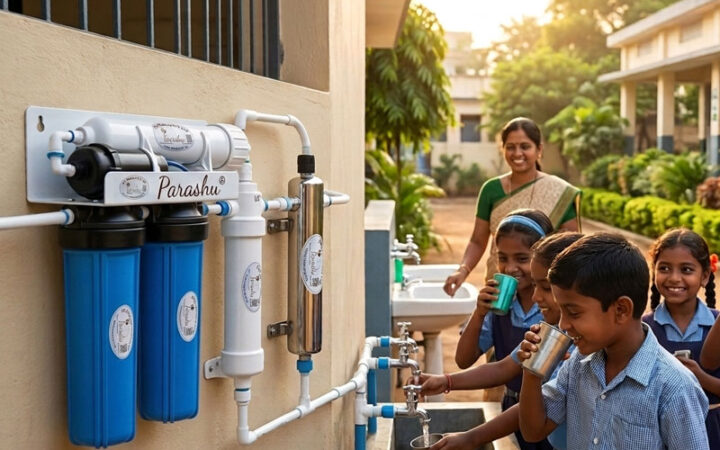
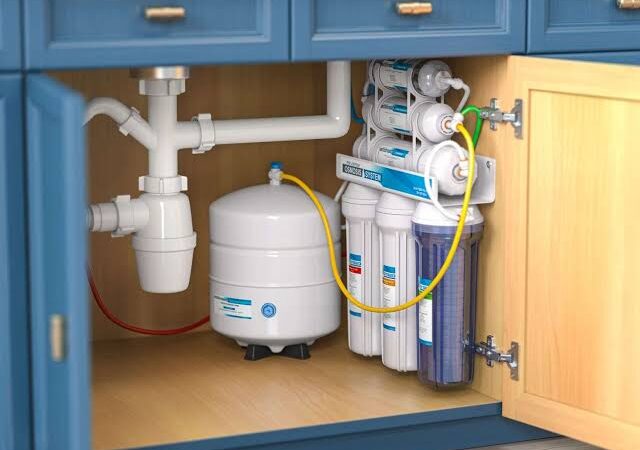
For households experiencing several water quality problems simultaneously, multi-purpose residential water filters can offer a practical approach to addressing different concerns through appropriately selected treatment media and filtration technologies.
However, water treatment isn’t a one-size-fits-all investment. Unpleasant odors, discoloration, and suspended particles can originate from different sources, and understanding those differences matters.
Before purchasing equipment, take a closer look at what’s happening within your water supply. You might discover that the solution is more straightforward than you initially expected.
Understanding Why Iron and Sulfur Affect Household Water
Iron occurs naturally in soil and underground rock formations, making it a potential concern for properties relying on groundwater.
When dissolved iron becomes oxidized, it may produce reddish-brown particles that stain sinks, toilets, bathtubs, and even freshly washed clothing. Related: A Fresh Approach to Better Household Water: Finding a Filtration System That…
Hydrogen sulfide, meanwhile, is commonly associated with that unmistakable rotten egg smell.
Homeowners exploring iron & sulfur residential water filters can consider specialized treatment equipment designed to address these particular water quality characteristics, depending on measured concentrations and incoming water conditions.
Certain systems use oxidation followed by filtration to help remove iron and address hydrogen sulfide. Others incorporate specialized treatment media suited to particular water conditions.
The important thing is identifying which substances are present before deciding how to treat them. An ordinary cartridge filter may capture rust particles but won’t necessarily remove dissolved iron or resolve persistent sulfur-related odors.
What Cloudiness and Suspended Particles Might Mean
There’s something particularly unappealing about filling a drinking glass and noticing tiny particles floating around inside it.
Households experiencing sediment or cloudy water should investigate whether the problem originates from suspended materials, trapped air, deteriorating plumbing, or changes in the incoming water supply.
Sediment may enter water through groundwater sources, damaged plumbing components, or disturbances within distribution systems.
Interestingly, temporary cloudiness can sometimes be caused by tiny air bubbles. If the water clears from the bottom upward after sitting undisturbed, trapped air may be responsible.
Persistent cloudiness or visible particles deserve further investigation. Related: Better Water Starts With the Right Technology and People Who Know Their…
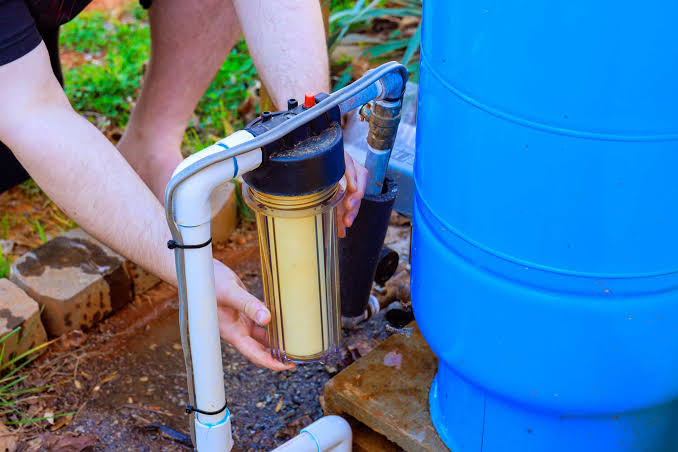
Appropriately selected sediment filters can capture suspended materials, helping protect certain plumbing components and downstream treatment equipment.
However, unexpected changes in water appearance should be investigated before assuming that filtration alone will make the water safe to drink.
Why Water Testing Is Worth the Effort
Buying filtration equipment without testing your water is a little like replacing car parts without knowing why the engine isn’t running properly. You might get lucky, but it’s an expensive way to solve a problem.
Appropriate testing can help identify iron concentrations, hardness, pH, and other characteristics that influence treatment selection.
Private well owners should also arrange laboratory testing for microorganisms and other locally relevant contaminants.
Pay attention to when water problems appear. Does the unpleasant smell occur only when running hot water? Does discoloration affect every faucet or just one bathroom?
These observations can provide useful clues.
For instance, odors associated exclusively with hot water may indicate an issue involving the water heater rather than the entire incoming supply.
Understanding the underlying cause helps prevent unnecessary installations. Related: 10. Finding the Right Water Treatment Solution for a Healthier, More Comfortable…
Choosing a Filtration System That Handles Multiple Concerns
Some residential properties experience more than one water quality problem. A private well might contain iron alongside hardness minerals and suspended particles.
In these situations, combining treatment technologies may provide better results than relying on a single filtration cartridge.
Sediment filtration addresses suspended materials. Specialized oxidation and filtration equipment can help manage certain iron and hydrogen sulfide concerns, while conventional softeners primarily reduce hardness minerals.
Activated carbon may also be useful for addressing particular tastes, odors, and contaminants.
Each treatment stage should have a clear purpose.
Rather than purchasing equipment because it promises comprehensive purification, ask how its individual components relate to your water test results.
A carefully designed system can address several concerns without introducing unnecessary complexity.
How Better Filtration Can Make Household Maintenance Easier
Water quality problems often become most noticeable during ordinary cleaning activities.
Iron stains can make bathroom fixtures look neglected even when they’re cleaned regularly. Unpleasant odors may make showering less enjoyable, while suspended particles can accumulate inside faucet aerators.
Suitable treatment may help reduce these frustrations.
Over time, addressing iron and sediment at the incoming supply may also reduce certain maintenance requirements for water-using equipment. Related: The Plumbing Details That Help Keep Your Home Safe and Comfortable
However, existing stains and deposits might need separate cleaning or servicing.
The benefits of filtration are often gradual rather than dramatic. Still, spending less time removing recurring stains from sinks and bathtubs is something most homeowners would happily welcome.
Keeping Your Water Filtration Equipment Working Properly
Even well-designed filtration equipment needs ongoing maintenance.
Cartridges require replacement, treatment media may need replenishment, and backwashing systems should operate according to manufacturer recommendations.
Before purchasing equipment, ask about servicing requirements, drainage arrangements, replacement component expenses, and anticipated operating costs.
Periodic water testing can help verify continued treatment effectiveness, particularly when significant water quality concerns have been identified.
Remember that removing unpleasant smells or visible discoloration doesn’t automatically establish drinking water safety.
Finding a Long-Term Solution to Household Water Problems
Living with rusty stains, unpleasant odors, and cloudy tap water can become unnecessarily frustrating. Related: Better Water Starts With the Right Technology and People Who Know Their…
Fortunately, understanding your water conditions and selecting appropriate treatment equipment can help address many of these concerns.
Start with reliable testing, investigate potential plumbing issues, and choose filtration technologies with demonstrated performance.
The goal isn’t simply clearer-looking water. It’s finding a dependable treatment arrangement that makes household maintenance easier, addresses genuine water quality concerns, and allows you to enjoy your home without those recurring frustrations.