Water quality has a funny way of becoming noticeable at the most ordinary moments. You’re washing dishes after dinner and discover tiny particles collecting in the sink. Perhaps your morning shower has a stronger chlorine smell than usual, or the water from your kitchen faucet simply doesn’t taste as refreshing as you’d like.
Investing in effective home water treatment and filtration can help address these concerns while making everyday household activities more comfortable and convenient.
For homeowners across Virginia and Maryland, the challenge isn’t necessarily finding water treatment equipment. It’s figuring out which technology makes sense for their particular property. A little knowledge about your water supply can go a long way toward making the right decision.
Understanding the Water That Flows Through Your Home
Not all household water is the same. Its characteristics depend on the original source, surrounding environment, treatment processes, and the plumbing it travels through.
Groundwater may contain naturally occurring minerals, while municipal water supplies can have noticeable disinfectant-related tastes or odors. Aging pipes sometimes contribute to sediment or other water quality concerns.
You might even notice differences between your water and that of someone living just a few streets away. Related: Dealing With Rust Stains, Unpleasant Odors, and Cloudy Water: Finding the Right…
These variations explain why a filtration system that works beautifully in one property might not deliver the same results elsewhere.
Before purchasing equipment, take some time to understand your incoming water. Appropriate testing provides a much clearer picture than relying on appearance or taste alone.
Why Different Water Problems Require Different Solutions
It’s tempting to think that installing a good filter will automatically resolve every water quality issue. Unfortunately, things aren’t quite that simple.
Choosing suitable filtration for household water quality involves identifying specific concerns and selecting technologies capable of addressing them effectively.
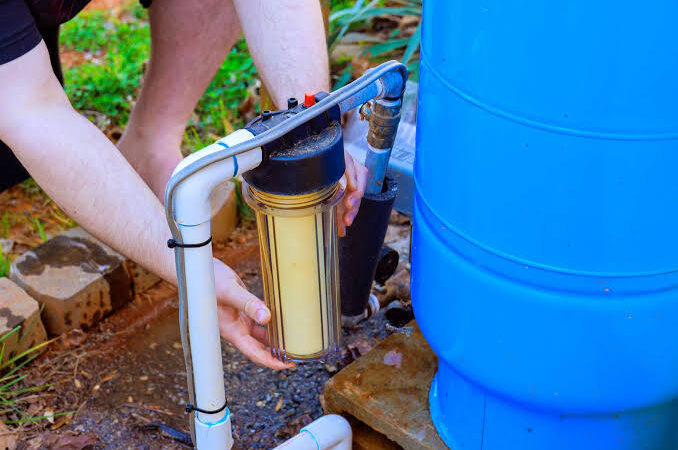
Sediment filters capture suspended particles such as sand, rust, and debris. Activated carbon can help reduce certain unwanted tastes, odors, and contaminants.
Traditional water softeners address dissolved calcium and magnesium, which contribute to hard water and limescale formation.
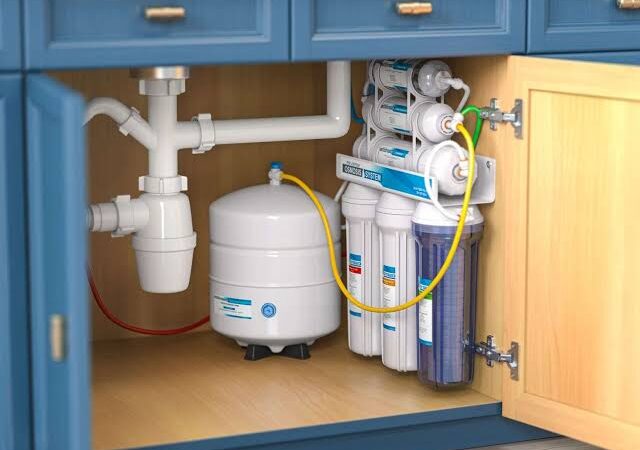
For specific dissolved contaminants in drinking water, reverse osmosis may be a suitable option.
Each technology has its own purpose. Combining the right treatment methods can provide meaningful improvements without unnecessarily complicating the system. Related: Better Water Starts With the Right Technology and People Who Know Their…
Finding a Filtration System That Suits Your Lifestyle
Every household has its own rhythm. Some families have several showers running before eight in the morning, while smaller households might use considerably less water throughout the day.
When comparing whole-home filtration options, consider your property’s water consumption, incoming water quality, available installation space, and ongoing maintenance requirements.
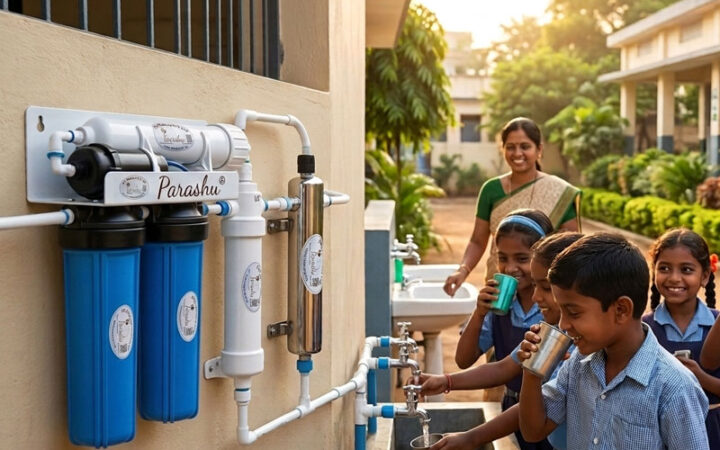
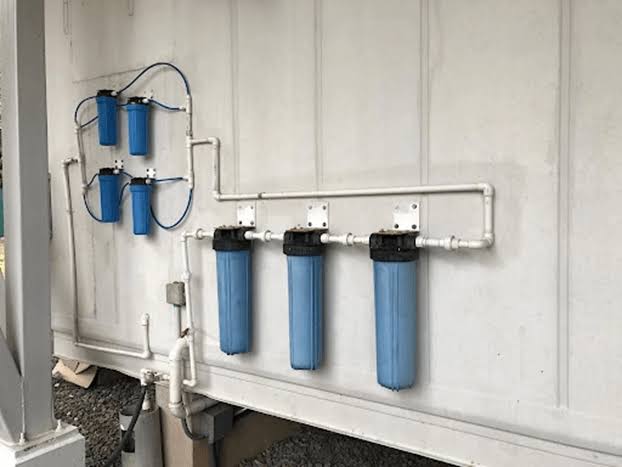
Centralized filtration equipment generally treats water near the main supply connection before it travels to connected household fixtures.
Proper sizing is important because undersized equipment may restrict water flow during busy periods.
Maintenance accessibility matters as well. Replacing a cartridge shouldn’t require moving several heavy objects or squeezing into an awkward corner of the basement.
A well-chosen system should work around your lifestyle, not the other way around.
Enjoying the Benefits Beyond Drinking Water
Most conversations about water quality begin with drinking water. However, the benefits of appropriate treatment can extend well beyond the kitchen faucet.
Think about the water you use for bathing, laundry, cleaning, and washing dishes. Related: 10. Finding the Right Water Treatment Solution for a Healthier, More Comfortable…
Depending on your original water conditions, suitable treatment may help reduce visible particles, minimize certain unpleasant odors, or limit hardness-related deposits when softening is included.
There’s also the potential to simplify household maintenance. Spending less time removing mineral deposits or cleaning clogged faucet aerators can make a noticeable difference over the course of a year.
These improvements aren’t always dramatic. Sometimes, they’re simply small conveniences that gradually make your home more enjoyable.
Giving Household Plumbing and Appliances More Attention
Most homeowners rarely think about the inside of their plumbing until something goes wrong. Yet water quality can influence the condition of certain fixtures and water-using appliances.
Suspended debris may collect inside faucet aerators, while excessive hardness can contribute to scale accumulation inside water heaters and dishwashers.
Appropriate filtration and softening can help address these separate concerns.
Reducing new mineral deposits may support the performance of compatible appliances, although treatment won’t automatically repair existing damage or prevent every mechanical problem.
It’s best to consider water treatment as one part of a broader preventive maintenance strategy. Related: The Plumbing Details That Help Keep Your Home Safe and Comfortable
Looking after household equipment today may help reduce avoidable maintenance expenses in the future.
Keeping Water Filtration Effective Over Time
Installing a filtration system isn’t the end of the journey. Like most household equipment, it requires occasional attention to continue performing properly.
Sediment cartridges gradually accumulate debris, activated carbon loses treatment capacity, and specialized filtration media may need periodic replacement.
Before purchasing equipment, ask about maintenance schedules, replacement component costs, and professional servicing options.
Following manufacturer recommendations helps preserve treatment performance and suitable water flow.
Periodic laboratory testing is particularly important when equipment is intended to address potentially harmful contaminants.
Remember that clearer water and improved taste don’t automatically establish drinking water safety.
Better Water Is a Practical Investment in Your Home
Improving household water quality doesn’t need to involve expensive equipment or complicated decisions. Start with reliable testing, understand your priorities, and choose treatment technologies that genuinely address your concerns.
A thoughtfully designed filtration system can help make everyday routines more convenient while addressing specific water quality challenges. Related: Better Water Starts With the Right Technology and People Who Know Their…
After all, a comfortable home isn’t built entirely around impressive renovations or expensive furnishings. It’s also shaped by the little things we experience every day.
A refreshing glass of water, an enjoyable shower, or fewer frustrating maintenance chores might seem modest improvements. But when you experience those benefits regularly, they become something worth appreciating.