Water is one of those everyday essentials we rarely stop to think about. It runs through the kitchen faucet while we prepare breakfast, fills the washing machine, and helps us unwind in a warm shower at the end of a long day. Most of the time, we simply expect it to be clean and convenient. But when the taste changes, mineral deposits appear around the taps, or appliances start showing signs of scale buildup, water quality suddenly becomes much harder to ignore.
The good news is that improving household water doesn’t necessarily require an expensive, complicated setup. It starts with understanding what is in the water, identifying the problems that matter most, and choosing equipment designed to address them. A little research at the beginning can save money and frustration later.
Start With the Water You Already Have
Before comparing filters and treatment equipment, take a closer look at your household water. White marks on faucets or shower glass may indicate hard water, while an unpleasant chlorine taste could suggest that a different type of filtration deserves consideration. Orange stains, sediment, and unusual odors may have other causes.
These signs are useful starting points, but they don’t tell the whole story. Water can contain dissolved substances that aren’t visible, and clear water isn’t automatically free from every contaminant. That’s why testing matters. Related: The Plumbing Details That Help Keep Your Home Safe and Comfortable
If your home receives water from a municipal supplier, review its latest water-quality report. This can provide information about the source and the substances routinely monitored. However, the report may not reveal problems that develop within your own plumbing. Private wells require particular attention because their quality can change with rainfall, nearby land use, and other environmental conditions.
A suitable water test helps establish a baseline. Depending on the source and your concerns, it may measure hardness, pH, iron, dissolved solids, bacteria, or specific contaminants. For health-related questions, choose an appropriate laboratory test rather than relying on a basic in-home demonstration.
Understanding the Different Treatment Options
Water treatment isn’t a one-size-fits-all purchase. Different technologies perform different jobs, and choosing the right one depends on the results of your assessment.
Sediment filters capture suspended particles such as sand, rust, and other debris. Activated carbon filters can reduce certain tastes, odors, and selected compounds, depending on their design. Water softeners address hardness minerals, while reverse osmosis systems can reduce many dissolved substances when the particular model is designed and certified for that purpose.
Some households need treatment throughout the property. Others may only want to improve the water used for drinking and cooking. Installing a whole-house system when a smaller filter would meet the need can add unnecessary cost. On the other hand, a kitchen filter won’t prevent hardness-related scale from developing in a water heater or bathroom fixtures.
The most useful question isn’t which technology sounds impressive. It’s whether the system can address the specific issue identified by testing. Related: Better Water Starts With the Right Technology and People Who Know Their…
When Reverse Osmosis Makes Sense
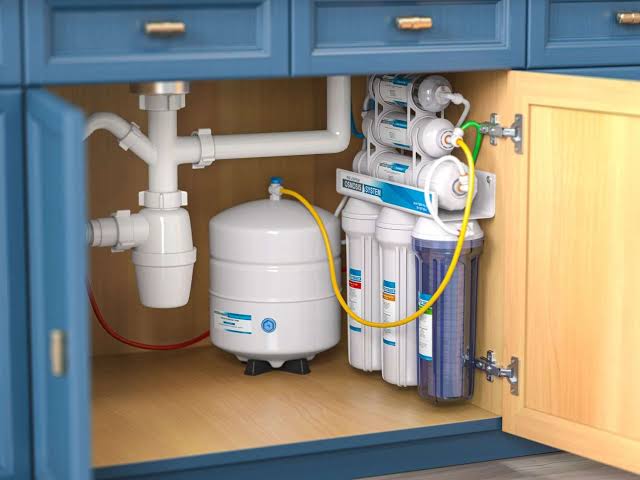
For homeowners concerned about certain dissolved substances in drinking water, reverse osmosis drinking water systems may be worth considering. These units use pressure to move water through a semipermeable membrane that reduces many dissolved constituents.
Depending on the model, a system may include prefilters to protect the membrane and a post-filter to improve taste. Some units use a storage tank, while others operate without one. The right configuration depends on available space, household demand, water pressure, and installation requirements.
It’s important to check performance documentation before buying. Not every reverse osmosis system reduces the same substances to the same degree. Look for independent certifications or verified performance claims that relate to your actual water-quality concerns.
There are trade-offs, too. Conventional reverse osmosis systems send some water to the drain during production, and their filters and membranes need periodic replacement. Some models may also remove minerals that contribute to water’s taste. These details don’t make the technology unsuitable; they simply belong in the buying decision.
For a small household that mainly needs better-tasting water, a simpler filter might be enough. When testing identifies a dissolved contaminant that a certified reverse osmosis unit is designed to reduce, however, the additional treatment may be worthwhile.
Managing Hard Water Throughout the House
Hard water is a common source of household frustration. It contains elevated concentrations of calcium and magnesium, which can leave deposits on showerheads, faucets, glassware, and heating elements. You might also notice that soap doesn’t lather as easily or that laundry feels less comfortable after washing. Related: Finding Better Drinking Water for Your Home in Dade City
In these situations, water softeners can help reduce hardness through an ion-exchange process. Traditional systems replace calcium and magnesium ions with sodium or, in some cases, potassium ions. This can reduce scale formation and make routine cleaning easier.
Softening has limits. It is designed primarily to address hardness, not to remove every contaminant or disinfect unsafe water. A household dealing with bacteria, nitrates, or another specific contaminant needs an appropriate treatment method in addition to—or instead of—a softener.
System size also matters. A unit that’s too small for the household may regenerate frequently, while an oversized model can increase the purchase cost without providing a meaningful advantage. Water hardness, daily consumption, and the number of people living in the home all help determine the required capacity.
Traditional softeners also need ongoing care, including salt replenishment and periodic checks. If sodium in treated water is a concern, discuss the implications with a qualified professional and consider whether a separate drinking-water arrangement would suit your household.
Choosing Water for Drinking and Cooking
Many homeowners prefer to treat water at the kitchen sink rather than throughout the entire property. This can be a practical option when the main concern involves drinking, cooking, or filling reusable bottles.
Well-selected drinking water systems can include carbon filtration, reverse osmosis, or other technologies matched to the water analysis. The right choice depends on what needs to be reduced, how much water the household uses, and how much maintenance is manageable. Related: Making Better Water Easier: A Practical Guide to Whole-Home Water Treatment
Before purchasing a unit, check its flow rate and replacement-filter availability. A filter that produces water too slowly may become inconvenient for a busy family. It’s also worth measuring the available cabinet space and checking whether the system requires a separate faucet, drain connection, or storage tank.
Look beyond the number of filtration stages advertised on the packaging. More stages don’t automatically mean better results. Verified performance, suitable capacity, and easy maintenance are far more useful measures of a system’s value.
Don’t Forget Installation and Maintenance
Even quality equipment can disappoint when it’s installed incorrectly or neglected. Connections need to be secure, manufacturer instructions should be followed, and the system must be sized for the home’s water demand. If installation involves significant plumbing changes or electrical connections, professional assistance may be appropriate.
Maintenance is just as important. Filters eventually reach the end of their useful life, carbon media becomes exhausted, and reverse osmosis membranes require replacement. Softeners need the correct level of salt and periodic checks to ensure regeneration works as intended.
Keep a record of installation dates, filter changes, service visits, and water-test results. These simple notes make it easier to plan maintenance and recognize changes in performance. If taste, odor, pressure, or staining changes unexpectedly, investigate the cause rather than assuming the treatment system has solved—or caused—the problem.
Make a Decision That Fits Your Home
A good water-treatment system should solve a genuine problem without making everyday life unnecessarily complicated. Start with reliable information, compare equipment based on its verified performance, and consider the full cost of ownership, including installation and replacement parts. Related: Why Professional Water Treatment Installation Makes a Real Difference
Be cautious of broad promises that one product can remove everything from water or that a single basic test proves your supply is unsafe. Trustworthy recommendations should explain what the equipment does, what it cannot do, and how its performance will be maintained.
Ultimately, better household water begins with informed choices rather than guesswork. You don’t need the biggest system on the market. You need one that suits your water conditions, household routines, and budget—and that you can maintain properly for years to come.