There’s nothing more unpleasant than turning on the tap, filling a glass, and being hit with that unmistakable stench: the smell of rotten eggs. It’s enough to make anyone hesitate before drinking or even using the water for cooking. This is a surprisingly common problem, affecting homes with both municipal and well water sources. If you’ve noticed that your house water smells like rotten eggs, you’re not alone, and understanding why it happens is the first step toward fixing it.
When I first experienced this in my own home, I thought it was a one-off incident. I’d just moved in, and the water smelled faintly sulfurous when I ran the tap. At first, I ignored it, assuming the smell would fade. But it didn’t. The stench persisted, especially in the bathroom and kitchen. That’s when I realized how widespread this problem actually is and that addressing it properly requires understanding the root causes.
What Causes the Rotten Egg Smell?
The culprit behind that pungent odor is usually hydrogen sulfide gas (H₂S). This gas is naturally occurring in groundwater, particularly in areas rich in sulfur compounds or decaying organic matter. When hydrogen sulfide is present in water, it produces the characteristic “rotten egg” smell. Related: Finding Better Drinking Water for Your Home in Dade City
In households, the smell can come from multiple sources. Sometimes it originates from the water supply itself, whether it’s a private well or municipal system. In other cases, bacteria in water heaters, plumbing pipes, or storage tanks interact with sulfur compounds, creating hydrogen sulfide gas. While small amounts of this gas are typically harmless, the odor can be overwhelming and indicates a water quality issue that warrants attention.
Bathroom Smells and What It Means
One of the most common complaints homeowners have is noticing that bathroom water smells like eggs. It’s often most noticeable when running hot water, which is not coincidental. Water heaters provide a warm environment where bacteria that produce hydrogen sulfide thrive. Over time, these bacteria react with the magnesium or sulfate present in water, releasing the gas that causes the odor.
While the smell is primarily aesthetic, it can indicate bacterial growth in the system. Ignoring it could lead to a more pronounced odor or even minor contamination issues over time. Fortunately, there are several practical steps you can take to eliminate or reduce the smell without overhauling your plumbing system.
Identifying the Source
Before attempting any fixes, it’s crucial to identify where the odor is coming from. Start by determining if the smell is present in both cold and hot water: Related: Making Better Water Easier: A Practical Guide to Whole-Home Water Treatment
- Cold water only: This often points to the water source itself. Wells, municipal supplies, or even bottled water can contain hydrogen sulfide naturally.
- Hot water only: If the smell is confined to hot water, your water heater is the likely culprit. Sediment buildup and bacterial growth in the tank can generate hydrogen sulfide over time.
- Whole house: If every faucet smells, it may indicate a combination of source water issues and system contamination.
Testing water from multiple locations can help pinpoint the problem, allowing you to apply the appropriate solution.
Simple Fixes You Can Try at Home
Depending on the source, there are several remedies for dealing with smelly water. For hot water problems, flushing the water heater is often effective. Sediment can accumulate over time, creating an environment where bacteria thrive. Draining and cleaning the tank, as well as replacing the anode rod if necessary, can significantly reduce or eliminate the odor.
Activated carbon filters are another practical solution. These filters can remove hydrogen sulfide from water at point-of-use locations, such as kitchen sinks or bathroom taps. They’re relatively inexpensive, easy to install, and provide immediate relief from the unpleasant smell.
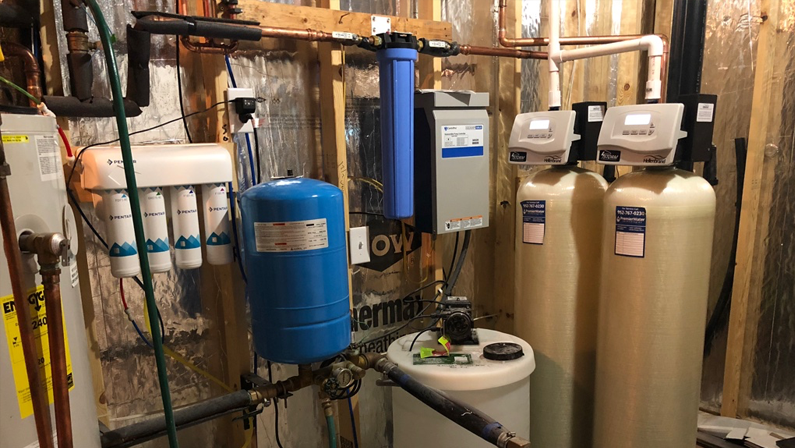
Aeration is another method sometimes used in households with significant sulfur in the water. By introducing air into the water, hydrogen sulfide gas is released before the water reaches your taps. This method is especially useful for whole-house systems but may require professional installation. Related: Why Professional Water Treatment Installation Makes a Real Difference
Well Water Solutions
Homes that rely on wells are particularly prone to hydrogen sulfide contamination. If you’re dealing with this issue, it’s important to understand well water smells like rotten eggs how to fix effectively. Common solutions include:
- Shock Chlorination: Adding a chlorine solution to your well kills sulfur bacteria and oxidizes hydrogen sulfide. This method requires careful application and safety precautions but can be highly effective.
- Aeration Systems: Installing a system that aerates water as it enters your home can release hydrogen sulfide gas before it reaches faucets.
- Specialized Filtration: Oxidizing filters or manganese greensand filters can remove sulfur compounds efficiently, especially in systems with higher concentrations.
Routine testing of well water is also essential. Hydrogen sulfide levels can fluctuate, and periodic monitoring ensures your water remains safe and odor-free.
When to Seek Professional Help
While some fixes are simple, there are times when professional assistance is necessary. If the odor persists despite flushing the water heater, installing filters, or shock chlorination, it may indicate a more systemic issue in your plumbing or water source. Professionals can perform comprehensive water testing, identify bacterial contamination, and recommend advanced treatment options such as oxidizing filters or whole-house aeration systems. Related: How Whole-House Water Filtration Can Transform the Quality of Your Home’s Water
Persistent hydrogen sulfide problems are rare but not impossible. Addressing them proactively ensures that your household water is safe, fresh, and free of that unmistakable rotten egg smell.
Tips for Preventing the Smell
Once you’ve resolved the problem, prevention is key. Regular maintenance of water heaters, pipes, and filtration systems minimizes bacterial growth. If you use a well, periodic testing and well maintenance prevent sulfur compounds from accumulating. Flushing water systems after periods of inactivity also reduces the risk of odor development.
For bathrooms specifically, running water frequently and keeping fixtures clean helps prevent bacterial buildup. Simple measures like these can go a long way toward keeping your water smelling fresh.
The Bottom Line
A sulfurous, rotten egg smell in water—whether from your taps or bathroom—can be alarming, but it’s usually manageable. Identifying whether the issue originates from your water source, hot water heater, or plumbing system is the first step. From there, solutions range from flushing and cleaning to installing filters, aeration systems, or shock chlorination in wells. Related: Why Better Water at Home Feels Like a Bigger Change Than You…
Understanding house water smells like rotten eggs, noticing if bathroom water smells like eggs, and knowing well water smells like rotten eggs how to fix equips homeowners to take effective action. With proper maintenance and the right interventions, it’s possible to enjoy fresh, clean water throughout your home—free from that unpleasant, sulfurous stench.