Most homeowners don’t think much about their water until something starts bothering them.
Sometimes it’s obvious, like a strange smell coming from the kitchen sink. Other times it’s more subtle. Coffee tastes slightly bitter for weeks. Soap stops lathering properly. The dishwasher leaves cloudy marks on glasses no matter how carefully it’s loaded.
At first, people blame everything except the water.
The detergent. The coffee beans. The plumbing. Maybe even the weather somehow. But eventually, all those tiny frustrations begin pointing toward the same thing quietly running through the entire house every single day.
And honestly, once someone notices poor water quality, it becomes difficult not to notice it everywhere.
Water Touches More of Life Than We Realize
Water isn’t just something people drink.
It runs through laundry machines, showers, dishwashers, coffee makers, bathroom sinks, and kitchen faucets constantly. That means water quality quietly shapes hundreds of ordinary moments people experience without thinking much about them. Related: Finding Better Drinking Water for Your Home in Dade City
When the water improves, homeowners often notice changes in surprising places.
Towels feel softer. Skin feels less dry after showers. Ice cubes stop carrying weird flavors. Faucets stay cleaner longer without constant scrubbing. Even the house itself sometimes smells fresher because chlorine or sulfur odors no longer drift through hot water steam.
None of these improvements feel dramatic individually.
But together, they change how comfortable a home feels over time.
Hard Water Creates More Problems Than People Expect
A lot of homeowners live with hard water for years before realizing how much inconvenience it creates.
Minerals like calcium and magnesium build up slowly inside plumbing systems, water heaters, dishwashers, and washing machines. Soap becomes less effective. Appliances work harder than they should. White residue collects around faucets and showerheads constantly.
People adapt to it surprisingly fast.
That’s probably why homeowners are often shocked by how different things feel after installing water softeners. The changes aren’t flashy, but they’re immediate enough to notice. Soap rinses easier. Laundry feels softer. Dishes come out cleaner. Showers become more comfortable. Related: Making Better Water Easier: A Practical Guide to Whole-Home Water Treatment
And honestly, appliances benefit too.
Reduced mineral buildup helps systems operate more efficiently over time, which can extend the lifespan of expensive household equipment people really don’t want to replace early.
Reverse Osmosis Became Popular for a Reason
When homeowners start focusing specifically on drinking water quality, reverse osmosis systems usually enter the conversation sooner or later.
And honestly, it makes sense.
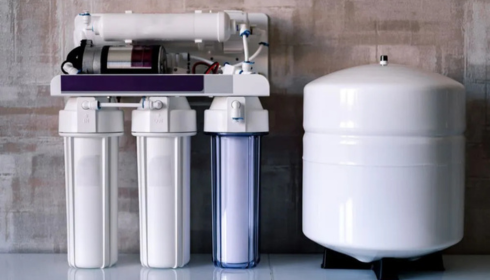
Reverse osmosis systems filter water through a specialized membrane designed to reduce dissolved solids, impurities, and certain contaminants that affect taste and quality. The science behind it sounds technical, but the result feels simple: cleaner-tasting water straight from the tap.
That’s what most homeowners care about in the end.
Coffee tastes fresher. Tea feels smoother somehow. Even plain water becomes easier to drink regularly when it no longer carries odd flavors or odors. For families trying to reduce bottled water purchases, reverse osmosis systems often become a practical long-term solution rather than a luxury upgrade.
The funny thing is, once people get used to properly filtered water at home, bottled water often starts tasting strangely flat afterward.
Homeowners Want Simplicity More Than Fancy Technology
One thing that’s changed over the years is how people shop for home upgrades. Related: Why Professional Water Treatment Installation Makes a Real Difference
Homeowners aren’t necessarily impressed by complicated technology anymore. They want systems that solve real problems without creating new ones. Reliability matters more than flashy marketing.
That’s partly why modern drinking water systems have evolved toward convenience and ease of use. People want dependable filtration, manageable maintenance, and equipment that quietly works in the background without demanding constant attention.
And honestly, that’s understandable.
Life already feels busy enough without adding another complicated household responsibility into the mix.
The best water systems tend to disappear into daily life once they’re working properly. Water simply tastes clean. Appliances behave normally. Showers feel better. Nobody thinks about the equipment anymore because the problems quietly fade away.
The Emotional Side of Water Quality
What people rarely talk about openly is how emotional water quality issues can become.
Strange-smelling water creates discomfort. Hard water stains feel embarrassing when guests visit. Constantly buying bottled water becomes frustrating and expensive over time. Small annoyances quietly build stress people don’t fully recognize until the issues disappear.
That’s why homeowners often describe relief more than excitement after upgrading their water systems. Related: How Whole-House Water Filtration Can Transform the Quality of Your Home’s Water
Relief that the kitchen smells normal again. Relief that the dishwasher finally works properly. Relief that showers feel comfortable instead of irritating. These aren’t dramatic transformations, but they improve everyday life in surprisingly meaningful ways.
And honestly, comfort matters.
Homes are supposed to feel easy to live in, not full of little frustrations people constantly work around.
Better Water Quietly Changes Daily Routines
The interesting thing about clean water is how quickly people stop thinking about it once everything feels right again.
That’s usually the sign a good system is doing its job properly.
Nobody wants to spend time worrying about water quality every day. They want reliable water that supports normal routines without creating extra maintenance headaches or weird surprises. Good filtration and softening systems simply allow life to continue more comfortably in the background.
And maybe that’s why so many homeowners eventually decide water treatment is worth the investment. Related: Keeping Your Water System Honest: The Small Upkeep That Makes a Big…
Not because it feels glamorous.
Because cleaner water improves hundreds of small moments throughout the day — morning coffee, evening showers, clean laundry, fresh-tasting water from the sink — and those little moments quietly shape how a home feels overall.
Once people experience that difference consistently, going back becomes surprisingly hard.