
Hernias are surprisingly common, yet many people don’t fully understand what they are or how they can be treated. You might notice a lump in your abdomen or groin and dismiss it as a minor issue, but for some, hernias can cause discomfort, pain, and even complications if left untreated. Fortunately, modern medicine offers a range of surgical interventions to correct hernias, restore comfort, and prevent further issues. But before jumping into any treatment, it helps to know what is herniorrhaphy and how it fits into the broader spectrum of hernia repair options.
At its simplest, a hernia occurs when an internal organ or fatty tissue pushes through a weak spot in the surrounding muscle or connective tissue. Hernias can appear in multiple areas, such as the groin (inguinal), belly button (umbilical), or upper stomach (hiatal). Symptoms vary widely: some people feel only a soft bulge, while others experience sharp pain, especially when lifting, bending, or coughing. Understanding these differences is key to determining the best treatment approach.
So, what exactly is herniorrhaphy? In medical terms, what is herniorrhaphy? Essentially, it’s a surgical procedure designed to repair a hernia by returning the displaced tissue to its proper place and reinforcing the weakened area. Surgeons may use sutures, mesh, or a combination of both to strengthen the repair and reduce the risk of recurrence. This procedure can be performed using traditional open surgery or minimally invasive techniques such as laparoscopy, depending on the hernia’s size, location, and patient factors. Related: Finding Better Drinking Water for Your Home in Dade City
Open hernia repair is the traditional method. The surgeon makes an incision near the hernia, repositions the protruding tissue, and reinforces the area with stitches or synthetic mesh. This approach is often recommended for larger hernias or those that have recurred after previous surgeries. Recovery can take a few weeks, but the results are generally reliable and long-lasting. Many patients appreciate the straightforward nature of open repair, even if it requires slightly more downtime than minimally invasive options.
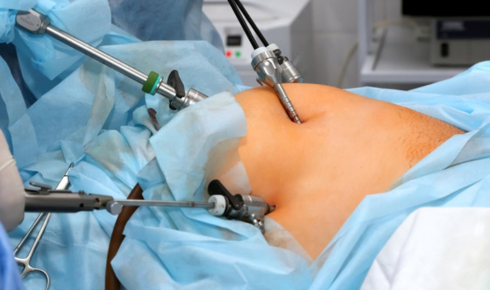
In recent years, minimally invasive techniques, particularly laparoscopic hernia repair, have grown in popularity. Rather than a single large incision, the surgeon makes several small ones and uses a camera and specialized instruments to repair the hernia. Patients often benefit from smaller scars, less post-operative pain, and faster recovery. The technique can be particularly advantageous for bilateral hernias or for individuals who want to resume their normal activities quickly. For many, the combination of effectiveness and convenience makes laparoscopic repair a compelling option.
Robotic-assisted hernia surgery represents another cutting-edge option. Using robotic technology, surgeons can perform precise repairs with enhanced dexterity and visualization. While not available everywhere, robotic-assisted procedures are increasingly used for complex or recurrent hernias. The precision offered by robotics can reduce complications, minimize tissue trauma, and improve overall outcomes, particularly in challenging cases. Related: Make Evening Strolls Your Way to Mental Calmness!
Beyond techniques, it’s helpful to understand the broader category of hernia surgeries. Surgeons tailor the approach based on hernia type, location, size, patient age, health status, and activity level. Umbilical hernias, common around the belly button, are often small and may be repaired quickly with minimal recovery time. Inguinal hernias, which occur in the groin, are more common in men and can become more problematic if not addressed promptly. Hiatal hernias, which affect the upper stomach and diaphragm, may involve additional considerations like acid reflux management. Each type requires careful evaluation to determine the most effective surgical approach.
The choice of using mesh versus sutures alone is another critical factor in hernia surgery. Mesh reinforcement is widely used to reduce recurrence rates, especially in larger hernias or in areas prone to stress. However, not every case requires mesh; smaller or less complex hernias can often be repaired successfully using sutures alone. Patients should discuss these options with their surgeon to understand the long-term benefits and any potential complications associated with different materials.
Recovery after hernia surgery varies depending on the procedure and individual health. Open surgery generally requires a longer recovery period than minimally invasive techniques, but both approaches typically allow patients to resume light activities within a few days. Heavy lifting and strenuous exercise are usually restricted for several weeks. Proper wound care, gradual reintroduction of activity, and adherence to post-operative guidelines are essential for optimal healing and preventing recurrence. Many patients also find that gentle core-strengthening exercises after recovery can support the repaired area and reduce the risk of future hernias. Related: Making Better Water Easier: A Practical Guide to Whole-Home Water Treatment
Understanding that a herniorrhaphy is a surgical procedure which is intended not only to repair the visible bulge but also to prevent long-term complications is crucial. Left untreated, hernias can grow larger, cause pain, or lead to potentially dangerous conditions like incarceration or strangulation, where blood supply to the trapped tissue is compromised. Surgical repair addresses both immediate symptoms and the underlying weakness, offering long-term relief and peace of mind.
Another key consideration is lifestyle. People with physically demanding jobs or athletic lifestyles may require a more robust repair method, often involving mesh or minimally invasive techniques to reduce downtime. Conversely, patients with certain medical conditions may need tailored approaches to minimize surgical risks. Surgeons take these factors into account to ensure both effective repair and a smooth recovery experience. Patient-specific planning helps improve outcomes and enhances satisfaction with the procedure.
Insurance coverage is another important aspect. Many health plans cover medically necessary hernia repairs, but coverage details vary depending on the type of surgery, facility, and location. Some patients may face out-of-pocket costs for specific techniques like robotic-assisted procedures or elective repairs. Understanding these details in advance can help patients plan financially and avoid surprises. Related: Why Professional Water Treatment Installation Makes a Real Difference
Education and preparation are vital for anyone considering hernia surgery. Familiarizing yourself with the types of hernia surgery repair available allows you to have informed discussions with your surgeon. Whether considering open, laparoscopic, or robotic-assisted options, knowing what to expect helps reduce anxiety and promotes better post-operative adherence. Clinics often provide resources such as informational brochures, videos, and pre-surgical consultations to ensure patients feel confident and prepared.
Preventive strategies also play a role in long-term success. Maintaining a healthy weight, practicing proper lifting techniques, and strengthening core muscles can reduce the risk of hernia recurrence. While prevention isn’t a substitute for surgery, these lifestyle adjustments complement the surgical repair and support long-term well-being. Many patients report that combining surgical repair with lifestyle modifications creates the best outcomes for both comfort and functionality.
Ultimately, the goal of hernia repair is to restore quality of life. Surgery can alleviate discomfort, prevent complications, and allow patients to resume normal activities without fear of pain or recurrence. By understanding types of hernia surgery, including traditional, laparoscopic, and robotic-assisted methods, patients can make informed decisions that align with their health needs, activity levels, and personal preferences. Related: How Whole-House Water Filtration Can Transform the Quality of Your Home’s Water
Hernia surgery has evolved dramatically over the past few decades. From simple open repairs to advanced minimally invasive and robotic procedures, patients now have a spectrum of options tailored to their unique needs. Knowledge is power: understanding what is herniorrhaphy, exploring modern surgical techniques, and preparing for post-operative care can empower patients to make confident, well-informed choices. In the end, hernia repair isn’t just about fixing a bulge — it’s about reclaiming comfort, mobility, and long-term health.