Most people don’t think much about their drinking water when everything seems normal. You turn on the faucet, fill a glass, make coffee, cook dinner, and move on with the day. It’s one of those ordinary routines that only gets attention when something tastes strange, smells unusual, or leaves you wondering what you’re actually drinking.
For homeowners in Dade City, having a reliable drinking water setup can make everyday life a little easier. The goal isn’t necessarily to chase some idea of “perfect” water. It’s about understanding your home’s water, identifying what you’d like to improve, and choosing treatment that fits your household without making things unnecessarily complicated.
Start With the Water You Already Have
Before choosing equipment, take a closer look at your water.
Water quality can vary depending on the source, plumbing, and conditions affecting the supply. Some homeowners may notice mineral content, sediment, chlorine taste, or other characteristics that affect how water looks, smells, or tastes.
The tricky part is that not every water-quality issue is visible.
A glass can look completely clear while still containing substances that influence taste or quality. That’s why a water test can be such a useful first step. Instead of guessing, you get information that can help guide the next decision.
It sounds simple, but it can save a lot of unnecessary spending. Related: Making Better Water Easier: A Practical Guide to Whole-Home Water Treatment
Why Good Drinking Water Matters Every Day
Drinking water isn’t limited to the glass sitting beside your laptop.
You use it for coffee, tea, cooking, soups, ice, rinsing fruits and vegetables, and filling reusable bottles before heading out. When the water tastes good, all of these things become routine.
When it doesn’t, people often start buying bottled water.
That can work in a pinch, but buying bottles every week adds up. There’s the cost, the storage space, and the steady pile of plastic containers afterward. A well-designed home drinking water system can offer a convenient alternative by treating water where you actually use it.
For many families, that’s the real attraction.
What Should You Look for in a Drinking Water System?
The best drinking water solutions in Dade City aren’t necessarily the most expensive systems or the ones with the longest list of features. A better approach is to choose treatment based on the specific characteristics of your water.
Different technologies perform different jobs.
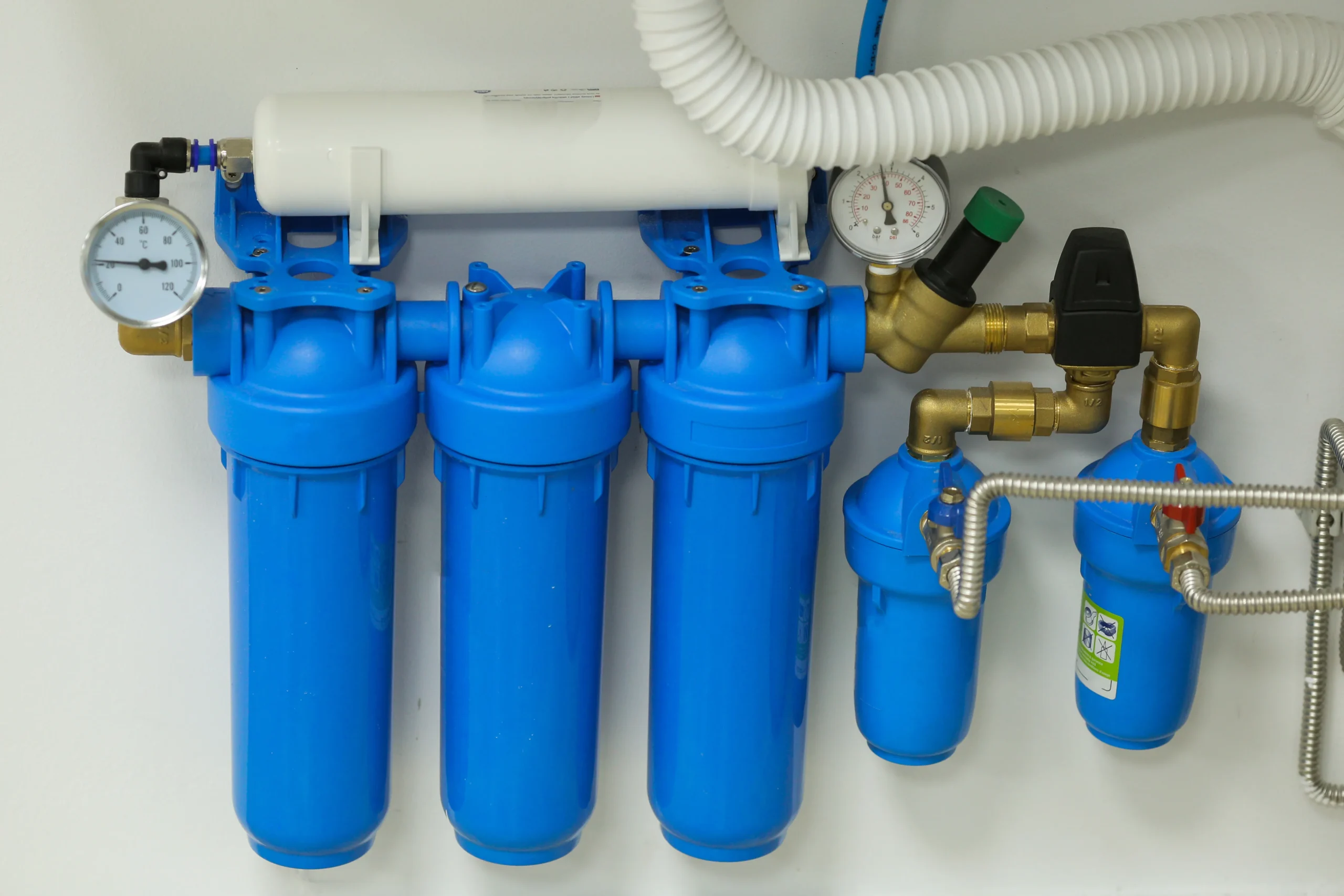
Carbon filtration, for example, is commonly used to improve taste and odor and can reduce certain substances depending on the filter. Reverse osmosis systems use a membrane to reduce many dissolved substances from treated water.
Some homes may need one technology. Others may benefit from combining different treatment methods.
The key is matching the equipment to the reason you’re installing it in the first place.
Reverse Osmosis for Drinking and Cooking
Reverse osmosis, often called RO, is one option homeowners frequently consider when they want highly treated drinking water.
An RO system pushes water through a semi-permeable membrane. The membrane helps reduce many dissolved solids and other substances, producing water that can be used for drinking and food preparation. Related: Why Professional Water Treatment Installation Makes a Real Difference
RO systems are commonly installed beneath a kitchen sink, keeping the equipment mostly out of sight.
But there’s an important catch: reverse osmosis systems need maintenance. Filters and membranes have a useful service life and should be replaced according to the manufacturer’s recommendations.
It’s not difficult, really. It just needs to be remembered.
Carbon Filtration and Taste Improvement
Not every household needs reverse osmosis.
Sometimes the main complaint is taste or odor. If water has a noticeable chlorine taste, for instance, carbon filtration may be an option worth discussing.
Carbon filters work by adsorbing certain compounds as water passes through the filter media. The exact performance depends on the type and quality of the filter being used.
This is another reason not to choose equipment solely because it has good reviews online. A filter can be excellent at one job and completely unnecessary for another.
Your water should have the final say.
Choosing a Local Drinking Water Provider
When comparing a Dade City drinking water company, don’t focus only on the equipment catalog or promotional price.
Pay attention to how the company approaches the problem.
Does the provider recommend testing? Do they explain what the system is designed to address? Are maintenance requirements discussed before installation? Can they explain replacement costs and warranty coverage without making everything sound like fine print?
Those details tell you quite a bit.
A trustworthy provider should be willing to explain your options in ordinary language. You shouldn’t need an engineering degree to understand what you’re buying. Related: How Whole-House Water Filtration Can Transform the Quality of Your Home’s Water
Consider Where the System Will Be Used
Think about your household routine.
If most drinking and cooking happen in the kitchen, a point-of-use system may be perfectly practical. An under-sink system can provide treated water from a dedicated faucet while keeping the equipment tucked away.
If there are broader water-quality concerns throughout the house, a whole-home approach may deserve consideration.
The right setup depends on your priorities. There’s no prize for installing more equipment than you actually need.
Maintenance Is Part of the Deal
Water treatment systems work best when they’re maintained properly.
Filters eventually become saturated. RO membranes need replacement. Some equipment needs periodic cleaning or professional service.
Before purchasing a system, ask what maintenance will look like over the next few years.
How often are filters changed? How much do replacements cost? Can the homeowner handle routine maintenance, or is professional service recommended?
These aren’t boring questions. They’re the questions that help you understand the true cost and effort of owning the system.
Think About Long-Term Value
It’s easy to compare systems by their upfront price. That’s natural. But the initial purchase is only one part of the equation.
Consider installation, filter replacements, membrane changes, servicing, replacement parts, water efficiency, and warranty coverage. Related: Why Better Water at Home Feels Like a Bigger Change Than You…
A system with a slightly higher initial price could make more sense if it provides the treatment you need and has reasonable ongoing costs.
On the other hand, paying extra for features you’ll never use isn’t particularly smart either.
Good value sits somewhere in between.
Don’t Believe Every Water Treatment Claim
The internet is full of bold water-quality claims.
Some are useful. Others are exaggerated.
Be especially cautious when a company claims that one system can solve every possible water problem. Water treatment is more specific than that. A softener, carbon filter, RO system, and specialized contaminant filter don’t all perform the same job.
Ask what the equipment is designed to reduce and whether that claim is supported by testing or manufacturer information.
A straightforward answer is much more valuable than a flashy sales pitch.
Making Clean Water a Simple Part of Home Life
For homeowners researching clean drinking water solutions in Dade City, the process doesn’t have to be overwhelming.
Start with the basics. Have the water evaluated. Decide what you want to improve. Compare treatment technologies, installation requirements, maintenance schedules, and long-term costs.
Then choose a system that fits your actual needs.
The best solution might be surprisingly simple.
And that’s okay.
A good drinking water system shouldn’t become the star of your kitchen. Ideally, it works quietly in the background while you go about your day.
Better Water Starts With an Informed Choice
Clean, pleasant-tasting drinking water can make a difference in ways that aren’t always dramatic. You may notice it when filling a glass, making morning coffee, cooking dinner, or reaching for a reusable bottle before leaving home.
The important thing is approaching the decision thoughtfully. Related: Keeping Your Water System Honest: The Small Upkeep That Makes a Big…
Don’t buy based on fear. Don’t buy simply because a neighbor has the same equipment. And don’t assume the most expensive system must be the best.
Understand your water first, then choose treatment that makes sense for your home.
In the long run, that’s what good water treatment is really about — not complicated equipment or impressive sales language, but having confidence in something you rely on every single day.