Water is one of those everyday essentials we rarely think about until something feels different. Maybe the water has a strange taste, your faucets keep developing white spots, or your shower leaves behind mineral buildup that seems to return no matter how often you clean it.
These little signs can be frustrating. They can also make you wonder whether your home needs better water treatment.
The good news is that improving household water doesn’t have to mean making things complicated. The right solution depends on what’s actually in your water, how your household uses it, and what you want to improve. A little testing and research can go a surprisingly long way.
Start With Your Home’s Water Quality
Every household has its own water story. Some homes receive municipal water, while others depend on private wells. Even within the same area, plumbing, water sources, and household conditions can create noticeable differences.
Before choosing equipment, consider testing your water. A water test can identify concerns such as hardness, sediment, chlorine, or other substances that may require attention.
This information helps you avoid buying a system simply because it sounds impressive. Instead, you can choose treatment based on a real need.
After all, the goal isn’t to treat water just for the sake of treating it. It’s to solve a problem. Related: Finding Better Drinking Water for Your Home in Dade City
Why Whole-Home Treatment Can Be Convenient
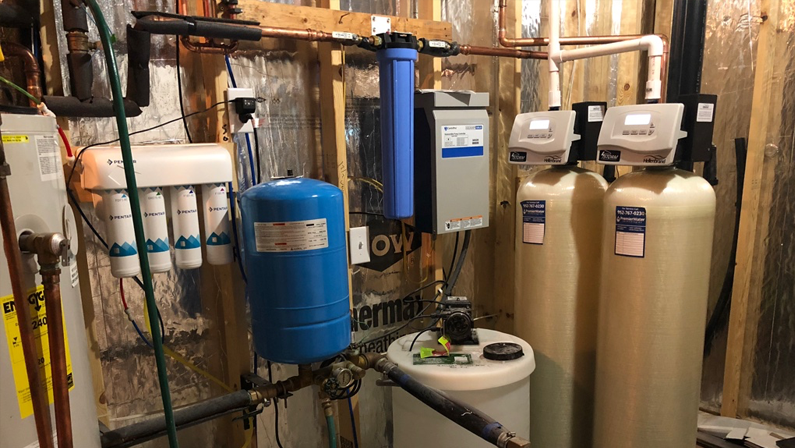
If water-quality concerns affect multiple areas of your house, a whole home water treatment system can be a practical option.
Rather than treating water only at one kitchen faucet, whole-home treatment is installed at a central point so that treated water can flow through the home’s plumbing.
This can be useful for households concerned about water used for bathing, laundry, cleaning, and other daily activities, as well as drinking.
There’s also a convenience factor. You don’t have to remember which faucet has filtered water and which one doesn’t. Treatment happens as part of the home’s overall water supply.
Of course, whole-home treatment isn’t automatically necessary for every household. If your only concern is drinking water, a point-of-use system may be enough.
Different Water Problems Need Different Solutions
One of the biggest mistakes homeowners make is assuming that every filter does the same thing.
It doesn’t.
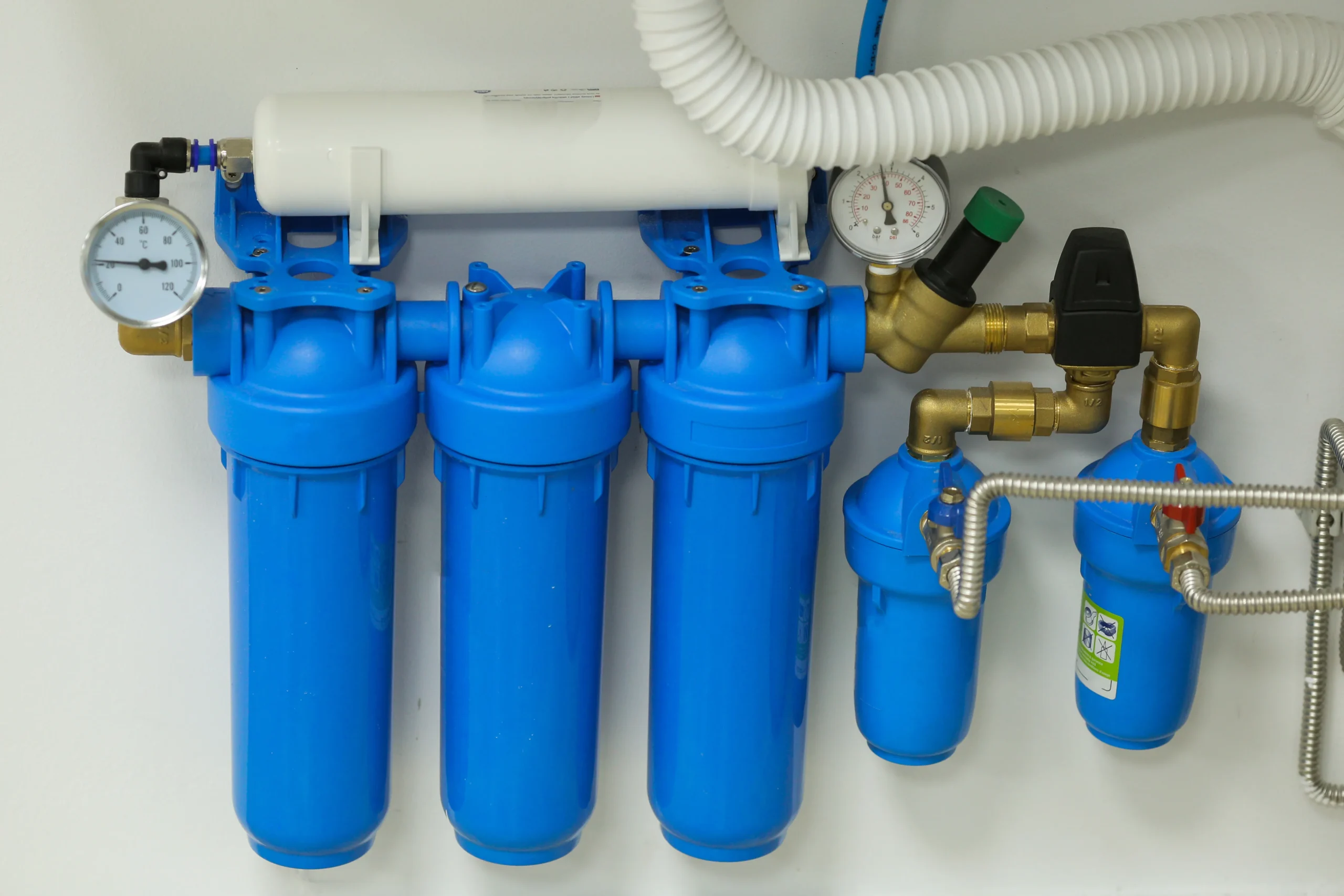
Water softeners are generally designed to address hardness minerals such as calcium and magnesium. Carbon filtration can help reduce chlorine taste and odor. Sediment filters can capture suspended particles, while reverse osmosis can reduce many dissolved substances from drinking water.
The right technology depends on the issue.
That’s why a water test is such a useful first step. Once you know what you’re dealing with, choosing equipment becomes much less confusing.
Healthy Water Starts With Good Information
People naturally want healthy water for their families, but it’s important to avoid vague promises about what a treatment system can accomplish.
Water treatment equipment should be selected according to specific water-quality concerns and verified performance claims. Related: Why Professional Water Treatment Installation Makes a Real Difference
For example, if you’re concerned about a particular contaminant, look for equipment specifically tested or certified for reducing that substance. A general-purpose filter shouldn’t automatically be assumed to handle everything.
Good information is more useful than flashy advertising.
And if you’re using a private well, regular testing can be especially important because groundwater conditions can change over time.
Consider How Your Family Uses Water
Your household’s daily habits should influence the treatment system you choose.
A family with several children may use considerably more water than a couple living in a small home. More water usage can affect filtration capacity, softener sizing, maintenance schedules, and equipment performance.
Think about your routines.
Do you cook frequently? Do several people shower every day? Do you use large amounts of water for laundry? Is your main goal better drinking water, softer water, or broader treatment throughout the house?
There isn’t a single answer for everyone. A properly sized system should match the way your household actually uses water.
Budgeting for Water Treatment
Cost is naturally part of the decision. But looking only at the initial purchase price can be misleading.
A system may have a reasonable upfront price but require frequent filter replacements or additional maintenance. Another option may cost more initially while offering lower ongoing expenses. Related: How Whole-House Water Filtration Can Transform the Quality of Your Home’s Water
Look at the bigger picture.
Ask about installation, replacement parts, maintenance, electricity, salt usage if applicable, and expected service requirements.
Some providers also offer simple financing plans, which can make a larger home improvement easier to fit into a household budget. If financing is available, read the terms carefully and make sure you understand the total cost rather than focusing only on the monthly payment.
Don’t Forget About Filter Maintenance
Even the best filtration equipment needs attention.
Filters eventually become exhausted. Depending on the system, they may need replacement every few months or according to a specific usage schedule.
Don’t wait until the water tastes strange before checking them. Follow the manufacturer’s recommendations and consider how much water your household actually consumes.
It’s easy to forget a filter change when everything seems to be working. Setting a reminder on your phone is a simple solution.
A few minutes of maintenance can help keep the system performing properly.
Whole-Home Treatment Isn’t Just About Drinking Water
It’s easy to think about water treatment only in terms of the kitchen sink.
But water is used throughout your home.
Hard water can create scale around bathroom fixtures, affect appliances, and make cleaning more frustrating. Chlorine odors may be noticeable during showers. Sediment can potentially affect plumbing fixtures and equipment.
Whole-home treatment can address certain concerns across multiple points of use, depending on the technology installed.
That broader approach can be particularly appealing to families who want to improve their overall water experience rather than focusing on a single faucet. Related: Why Better Water at Home Feels Like a Bigger Change Than You…
Professional Advice Can Make the Process Easier
Choosing water treatment equipment can feel overwhelming when you’re looking at unfamiliar specifications and technical terms.
A qualified water-treatment professional can help interpret test results, recommend appropriate equipment, and explain maintenance requirements.
Don’t hesitate to ask questions.
What does the system reduce? How often do filters need replacement? What does maintenance cost? How much water does the system use? What happens if something goes wrong?
A trustworthy provider should be willing to explain the answers clearly.
Think Long Term, Not Just Today
A water treatment system is a long-term household investment. That’s why it’s worth thinking beyond the installation day.
Consider how your family’s water usage might change. Think about replacement costs and service availability. Make sure the equipment can handle your household’s needs without being unnecessarily oversized.
And remember that the most complicated system isn’t always the best one.
Sometimes a straightforward solution that addresses your actual water-quality concerns is exactly what you need.
Better Water Can Become an Everyday Comfort
Improving your home’s water quality doesn’t have to be a stressful project. Start with testing, understand the problem, and choose technology that is designed to address it.
Whether you need whole-home treatment, drinking-water filtration, or a solution for hard water, the goal should always be the same: dependable performance without unnecessary hassle. Related: Keeping Your Water System Honest: The Small Upkeep That Makes a Big…
Take care of the equipment, follow maintenance recommendations, and pay attention when something changes.
Eventually, good water treatment should fade into the background. You wake up, make coffee, take a shower, fill a glass, and get on with your day.
And really, that’s the beauty of a well-chosen water treatment solution—it quietly makes everyday life a little easier without asking for much attention in return.