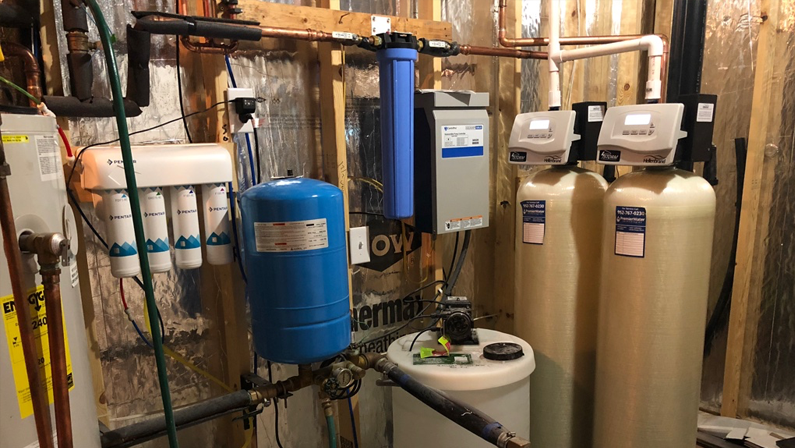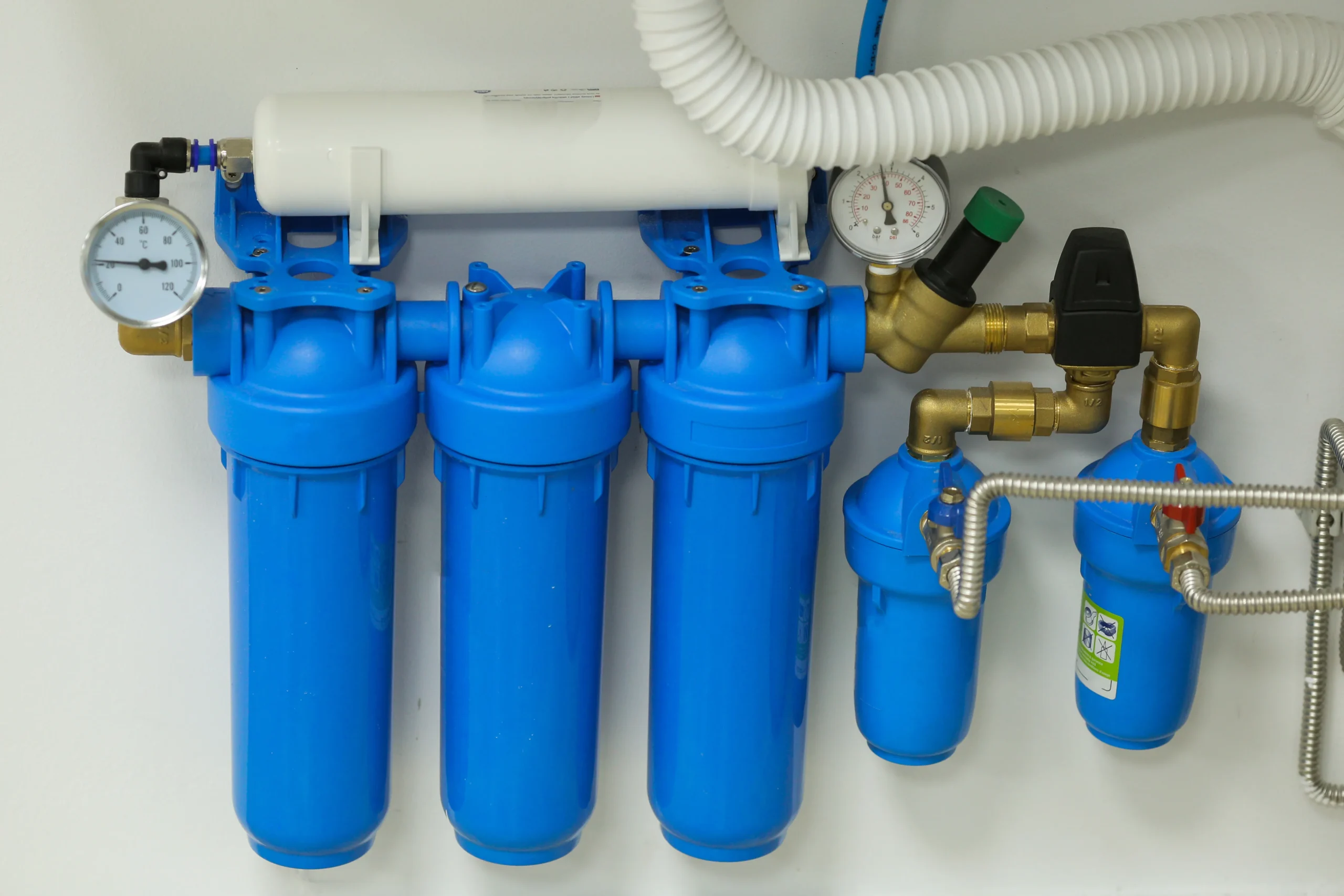
A water treatment system can look surprisingly simple from the outside. There may be a tank sitting quietly in a utility room, a few pipes connected to it, and perhaps a filter that doesn’t look particularly impressive. Yet behind that straightforward appearance is a system that needs to be correctly selected, installed, adjusted, and maintained.
That’s where homeowners sometimes make a costly mistake. They focus heavily on the equipment itself and forget that installation can be just as important.
The right treatment system can improve everyday water quality, protect plumbing and appliances, and make household chores a little easier. But even excellent equipment may struggle if it’s poorly sized or installed incorrectly. Good water treatment is really a combination of the right technology and the right workmanship.
Choosing Equipment for the Actual Water Problem
Before installation begins, the first question shouldn’t be, “Which system is the best?”
It should be, “What does this water actually need?”
Water quality varies from one property to another. Hardness, sediment, chlorine, iron, pH, and other characteristics can influence which treatment approach makes sense. A home using municipal water may have very different needs from one relying on a private well. Related: Finding Better Drinking Water for Your Home in Dade City
Testing the water first provides useful information. It prevents homeowners from spending money on equipment that sounds impressive but doesn’t address their specific concerns.
A professional assessment can also consider household size, daily water consumption, plumbing layout, available installation space, and future needs.
Why Installation Is More Than Connecting Pipes
Installing a treatment system isn’t simply a matter of attaching hoses and turning a valve.
An expert installation ensures that equipment is positioned correctly, connected safely, and configured for the home’s water usage. Flow direction, pressure, drainage, electrical requirements, bypass valves, and other details can all matter depending on the system.
A system that’s technically functional but poorly configured may not perform as expected. Water can move too quickly through filtration media, regeneration settings can be incorrect, or connections can develop leaks.
Good installation tends to be less noticeable than bad installation. When everything works as it should, you simply turn on the tap and get the result you expected.
That’s really the point.
Proper Sizing Matters More Than People Think
Bigger isn’t always better when it comes to water treatment.
A system that’s too small may struggle to keep up with household demand. A system that’s unnecessarily large can cost more upfront and may operate inefficiently.
Sizing should take water quality and consumption into account. A family of six with several bathrooms has different needs from a small household with one bathroom and modest water usage. Related: Making Better Water Easier: A Practical Guide to Whole-Home Water Treatment
Professionals can use water test results and household consumption patterns to determine an appropriate capacity.
It’s a fairly ordinary detail, but it can have a major effect on how well the equipment performs over the years.
Reliable Performance Comes From Good Setup
Homeowners want reliable performance from their water treatment systems, and that’s reasonable. Nobody wants to discover that their filter isn’t working properly after they’ve already invested in it.
Correct setup helps the equipment operate within its intended conditions. Filters need appropriate flow rates. Softening equipment needs suitable regeneration settings. Reverse osmosis systems require proper pressure and drainage arrangements.
Even small installation mistakes can become annoying later. A poorly secured connection might start dripping. Incorrect settings could cause unnecessary water consumption. An inaccessible component can turn a simple maintenance task into a frustrating chore.
Taking the time to get things right at the beginning can prevent many of these problems.
Professional Installation Can Protect Your Plumbing
Water treatment equipment becomes part of your home’s plumbing network. That means installation should account for the existing system rather than treating the treatment unit as an isolated appliance.
Water pressure is one consideration. So are shut-off points, pipe condition, drainage, and connections.
If older plumbing is already showing signs of corrosion or wear, installation is also a useful opportunity to identify potential concerns before they become emergencies. Related: How Whole-House Water Filtration Can Transform the Quality of Your Home’s Water
This doesn’t mean every homeowner needs a complete plumbing upgrade. Sometimes a small adjustment or repair is all that’s required.
The important part is knowing what you’re connecting new equipment to.
Maintenance Should Be Simple, Not Stressful
Every treatment system requires some maintenance. Filters need replacing, softener components need checking, and other equipment may require periodic servicing.
Fortunately, good installation can make those tasks easier.
When components are positioned with accessibility in mind, homeowners don’t have to dismantle half the utility room just to change a filter. Clear labeling and straightforward shut-off controls can also make routine care less intimidating.
This is where reducing maintenance needs becomes a practical goal. No system can eliminate maintenance completely, but thoughtful equipment selection, proper installation, and regular servicing can prevent unnecessary problems.
And let’s be honest—people are much more likely to maintain equipment when maintenance isn’t a huge ordeal.
Watch for Changes After Installation
Once a system has been installed, pay attention to how it behaves.
Does water taste different? Has scale decreased? Is pressure consistent? Are there unusual noises, leaks, or changes in water usage? Related: Why Better Water at Home Feels Like a Bigger Change Than You…
These observations can help confirm whether the system is operating properly.
If something seems unusual, don’t wait months before asking about it. Small issues are generally easier to correct early.
Homeowners should also keep records of filter replacements and routine service. A simple note in a phone calendar can be enough.
The Cheapest Installation Isn’t Always the Best Choice
Price matters, but it shouldn’t be the only factor.
When comparing installation quotes, consider the quality of equipment, experience of the installer, warranty coverage, maintenance requirements, and what is actually included in the service.
A low initial price can become less attractive if the installation leaves you with difficult maintenance, repeated adjustments, or premature equipment problems.
Think about the total cost of ownership rather than just the number on the first invoice.
A Better Water System Starts With Better Decisions
Water treatment doesn’t need to be complicated. Start by testing the water, understand what needs to be improved, and choose equipment that fits the property. Related: Keeping Your Water System Honest: The Small Upkeep That Makes a Big…
Then make sure it’s installed properly.
Professional installation isn’t merely about making the equipment look neat in the utility room. It’s about ensuring the system works safely, efficiently, and consistently as part of the home’s existing plumbing.
When the equipment is correctly selected, properly installed, and reasonably maintained, you don’t have to think about it very often. And that’s a pretty good measure of success.
The best water treatment system isn’t the one that demands constant attention. It’s the one that quietly does its job, day after day, while you get on with everything else.