There’s a point—usually subtle—when you start questioning your water.
Not dramatically. You’re not alarmed. But something feels… slightly wrong. Maybe your coffee tastes flatter than usual. Maybe your fixtures are showing wear faster than they should. Or your skin feels dry in a way you can’t quite explain.
It’s rarely one big issue. It’s a collection of small ones that slowly nudge you into paying attention.
And once you do, you realize something important—water isn’t just water. It carries a story. And sometimes, that story needs a bit of editing.
It’s Not Always What You See
Most people associate water problems with visible signs—cloudiness, stains, discoloration.
But some of the more frustrating issues are invisible.
Acidity, for example. It doesn’t announce itself loudly, but over time, it can corrode pipes, damage fixtures, and subtly affect the taste of your water. You might not notice it right away, but your plumbing certainly does. Related: Making Better Water Easier: A Practical Guide to Whole-Home Water Treatment
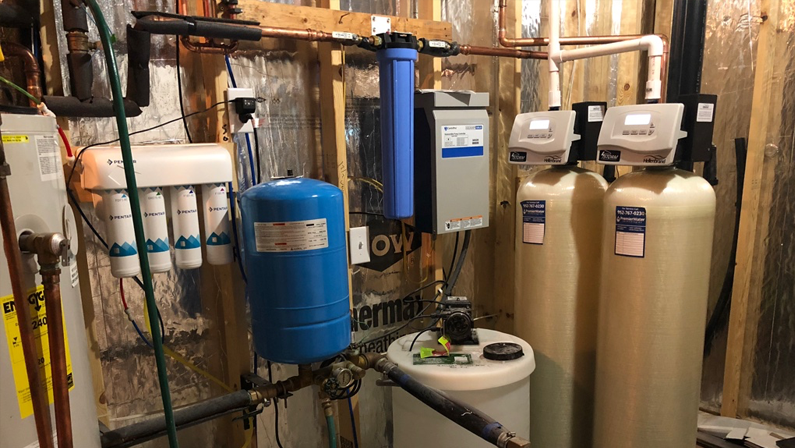
This is where neutralizing media steps in, quietly doing its work behind the scenes.
It’s designed to balance the pH of your water, reducing acidity and protecting your home’s infrastructure. No dramatic changes, no instant transformation—just a steady shift toward stability.
And honestly, that kind of quiet correction is often exactly what’s needed.
Why Balance Matters More Than You Think
We tend to think of water quality in terms of “clean” or “unclean.” But there’s more nuance to it than that.
Water can be technically safe but still unbalanced. Too acidic, too mineral-heavy, too reactive.
And when water isn’t balanced, it affects everything it touches.
Your pipes wear down faster. Your appliances struggle. Even your daily routines—washing, cooking, cleaning—start to feel slightly off.
Restoring that balance doesn’t always require a complex system. Sometimes, it’s about introducing the right material at the right stage. Related: Why Professional Water Treatment Installation Makes a Real Difference
The Role of Advanced Carbon in Modern Filtration
Now, let’s shift to something a bit more dynamic.
Standard carbon filters are already known for improving taste and removing chlorine. But there’s another level to this—something a bit more specialized.
That’s where catalytic carbon media comes into the picture.
It’s designed to handle tougher challenges—things like chloramines and certain organic compounds that regular carbon might not fully address. It doesn’t just absorb impurities; it accelerates chemical reactions that break them down.
Sounds technical, but the result is simple.
Water that feels cleaner. Smells better. Tastes more neutral.
It’s one of those upgrades that doesn’t scream for attention—but once you experience it, you notice the difference.
Layering Solutions Without Overcomplicating Things
Here’s the thing—water treatment isn’t about finding one perfect fix.
It’s about layering solutions in a way that makes sense.
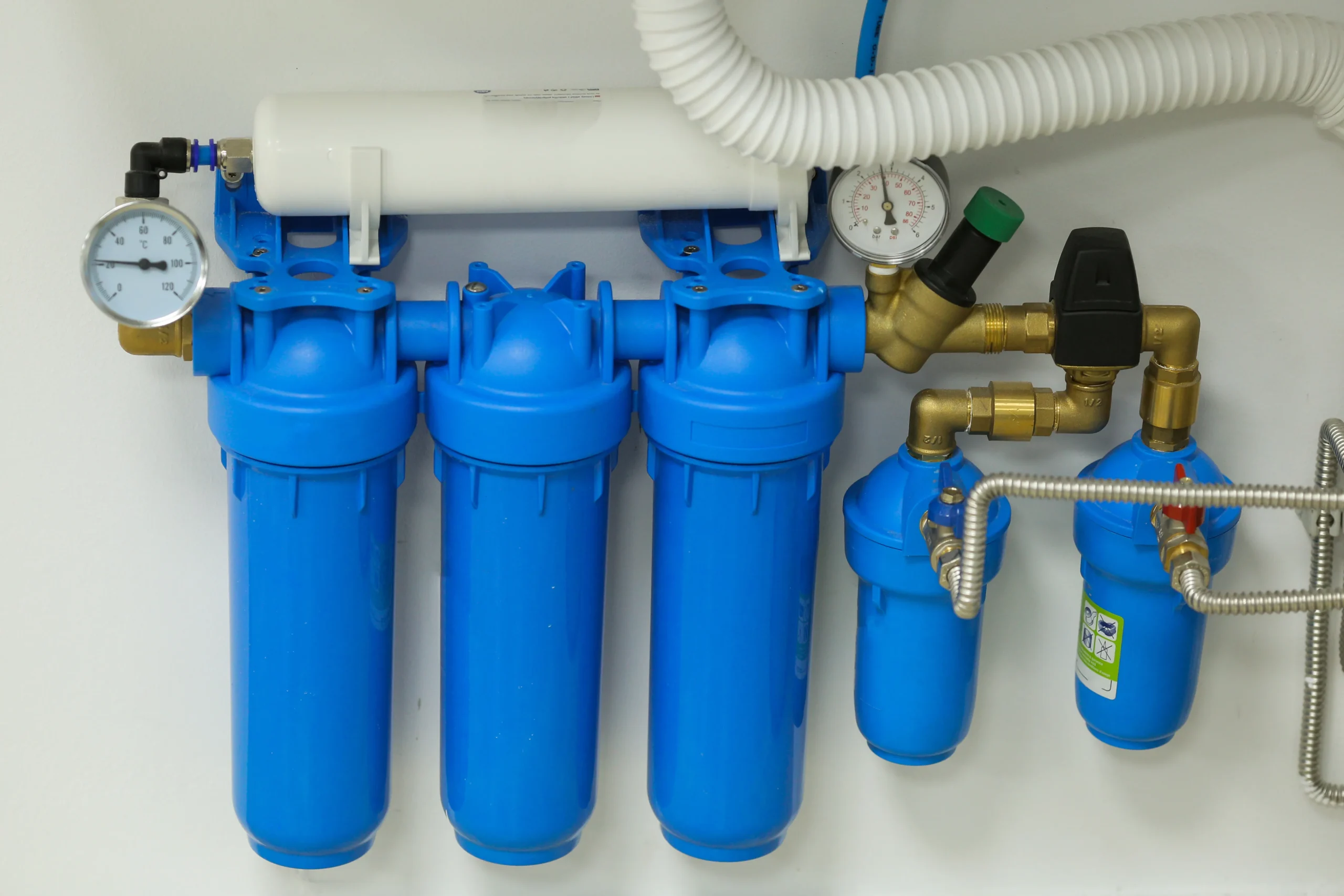
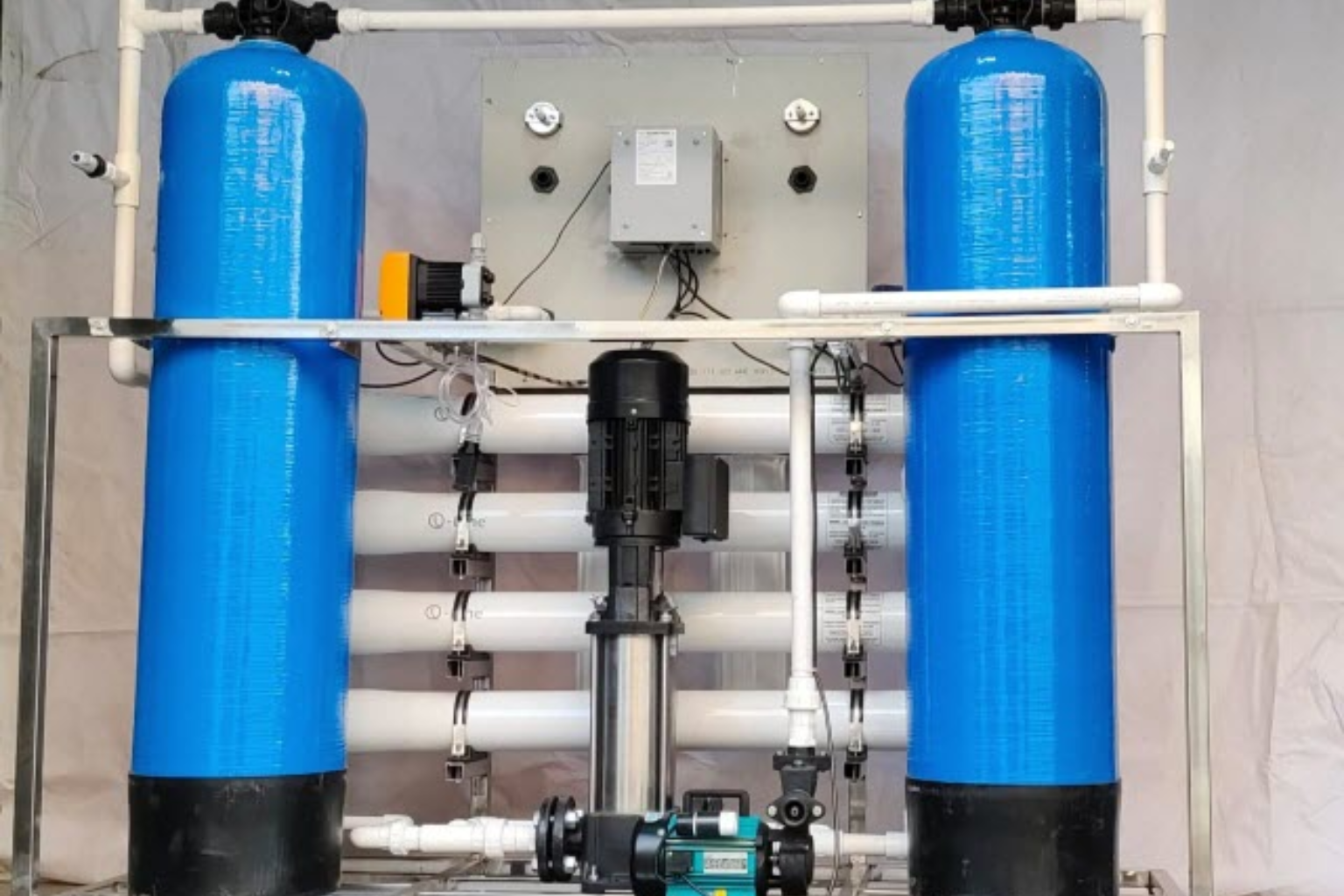
One stage might balance pH. Another might improve taste. Another might target specific contaminants. Related: How Whole-House Water Filtration Can Transform the Quality of Your Home’s Water
Each layer builds on the last.
And while it might sound complex, it doesn’t have to feel that way. When done right, the system works quietly in the background, without demanding constant attention.
That’s the goal—not complexity, but consistency.
The Subtle Improvements You Start to Appreciate
What’s interesting about these changes is how subtle they are.
You don’t wake up one morning thinking everything is completely different. Instead, you notice small things.
Your water doesn’t have that sharp edge anymore. Your fixtures stay cleaner longer. Your appliances seem to run more smoothly.
It’s not dramatic. But it’s steady.
And over time, those small improvements become your new baseline.
Maintenance: Keeping the Balance Intact
Of course, even the best media doesn’t last forever.
Over time, it wears down. Its effectiveness decreases. And if it’s not maintained properly, those old issues can start creeping back in.
That’s why regular checks and timely replacements matter.
It’s not about doing something complicated—it’s about staying consistent. Related: Why Better Water at Home Feels Like a Bigger Change Than You…
Think of it like tuning an instrument. A small adjustment keeps everything sounding right.
Choosing What Actually Fits Your Situation
If you’ve ever looked into water treatment options, you know how overwhelming it can feel.
So many systems. So many materials. So many opinions.
But here’s a simple way to approach it—start with your experience.
What are you noticing? Taste issues? Corrosion? Odors?
Those clues point you in the right direction.
From there, it becomes less about choosing the “best” system and more about choosing the right one for your specific needs.
A Quiet Upgrade That Changes How Your Home Feels
Improving your water isn’t the kind of change that draws attention.
It doesn’t show up in photos. It doesn’t make headlines.
But it shows up in your daily life.
In the way your water tastes. In how your home feels. In the quiet confidence of knowing things are working as they should.
And maybe that’s enough.
A Final Thought on What You Don’t See
We spend a lot of time focusing on what’s visible—fixtures, appliances, surfaces.
But what’s happening behind the scenes matters just as much. Related: Keeping Your Water System Honest: The Small Upkeep That Makes a Big…
Those layers of media, those carefully chosen materials—they’re shaping your water in ways you don’t always notice.
Until, of course, they’re not there.
And that’s when you realize just how much they’ve been doing all along.