Water has a way of blending into the background of our lives. We twist the faucet, fill a glass, boil pasta, rinse fruit — all without a second thought. It’s easy to assume that clear water equals clean water. But as conversations around water quality grow louder, more homeowners are starting to look beneath the surface.
Not out of fear, exactly. More out of curiosity. And maybe responsibility.
We’ve learned over time that water can carry more than just hydration. Minerals, metals, trace contaminants — most invisible, some harmless, others less so. While municipal systems work hard to meet standards, personal filtration has become increasingly common. People want control. They want reassurance.
And that’s where some fascinating science steps in.
A Simple Swap With Powerful Results
One of the less talked-about — yet surprisingly effective — methods used in modern water treatment involves ion exchange resins. The name sounds technical, maybe even intimidating. But the concept is surprisingly straightforward. Related: Finding Better Drinking Water for Your Home in Dade City
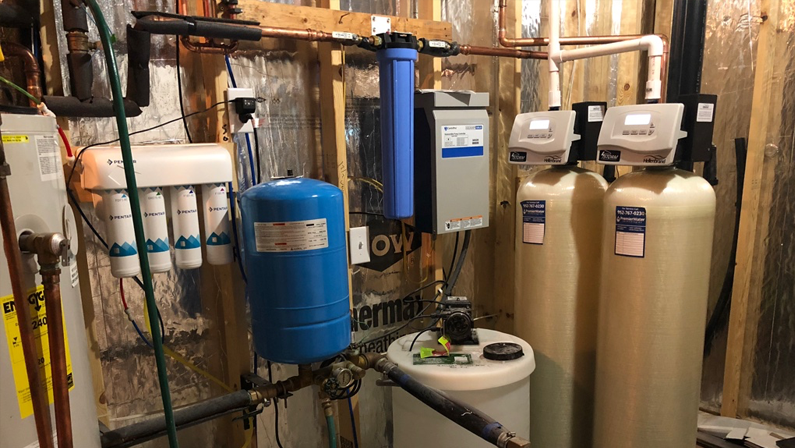
Imagine tiny beads inside a filtration tank. These beads are engineered to swap undesirable ions in your water — like calcium, magnesium, or even certain heavy metals — for more neutral ones, often sodium or hydrogen. It’s less about blocking contaminants and more about replacing them.
That exchange can soften hard water, reduce scaling in pipes, and improve overall performance of appliances. If you’ve ever noticed chalky buildup around faucets or streaky dishes fresh out of the dishwasher, you’ve witnessed the effects of mineral-heavy water.
I once visited a home where the water heater had to be replaced years earlier than expected due to mineral scale. After installing a softening system, the difference was noticeable not just in appliance longevity but in everyday comfort — smoother showers, less soap residue, softer laundry. Small improvements, yes, but meaningful ones.
Beyond Hardness: Targeted Treatment
Ion exchange isn’t limited to softening. In specialized systems, it can target nitrates, certain heavy metals, and other specific impurities. That adaptability makes it valuable in both residential and industrial settings.
When paired with additional filtration methods, ion exchange supports broader contaminant reduction strategies. Think of it as part of a team rather than a solo player. Carbon filters might handle organic compounds and chlorine. Reverse osmosis membranes may address microscopic particles. Ion exchange tackles ionic contaminants that slip past other methods. Related: Making Better Water Easier: A Practical Guide to Whole-Home Water Treatment
Layered filtration makes sense because water quality challenges rarely come in neat, single-issue packages. A well might contain both hardness minerals and trace nitrates. Municipal water could carry residual disinfectants alongside sediment.
The goal isn’t perfection — it’s improvement. Step by step. System by system.
The Maintenance Reality
Here’s the part people sometimes gloss over: filtration systems aren’t install-and-forget solutions. Ion exchange resins require regeneration. That usually involves flushing the beads with a brine solution to recharge them for continued use.
It sounds complicated, but most modern systems automate the process. You’ll hear a gentle hum in the middle of the night as the system cycles through regeneration. In the morning, everything’s back to normal.
Still, there’s responsibility involved. Salt levels need monitoring. Components need occasional inspection. Ignoring maintenance can reduce efficiency and compromise results. Related: Why Professional Water Treatment Installation Makes a Real Difference
But when managed properly, these systems are remarkably durable. Some resin beds last years before needing replacement. It’s less hands-on than people expect.
Why It Matters More Than We Think
At the end of the day, filtration isn’t about chasing flawless water. It’s about moving closer to safer water within the context of your home’s specific needs.
That might mean protecting children from elevated nitrate levels in well water. It might mean reducing lead content in aging plumbing systems. Or it could simply mean preserving the lifespan of appliances and improving daily comfort.
There’s also a psychological element. Knowing you’ve taken proactive steps creates a quiet sense of confidence. You’re not waiting for headlines or reacting to problems after they arise. You’re staying ahead.
And let’s be honest — in a world where so many factors feel out of our control, that matters. Related: How Whole-House Water Filtration Can Transform the Quality of Your Home’s Water
Choosing What’s Right for You
No two households are identical. Water quality varies by region, infrastructure age, and source. That’s why testing is such a valuable first step. Understanding what’s actually present in your water prevents unnecessary spending and ensures targeted treatment.
Some homes benefit from a simple softening system. Others require multi-stage filtration setups. A conversation with a qualified water specialist can clarify options without overwhelming you with technical jargon.
Cost is often a concern. While there’s an upfront investment, many homeowners find long-term savings in reduced appliance repairs, lower soap usage, and extended plumbing lifespan. And compared to the ongoing expense of bottled water, filtration systems can pay for themselves over time.
The Bigger Picture
Water touches nearly every part of our lives. It’s in our morning coffee, our evening showers, our children’s water bottles. Improving its quality might not feel glamorous, but it’s foundational.
Technologies like ion exchange represent decades of engineering refinement. They operate quietly, almost invisibly, yet their impact accumulates daily. Softer fabrics. Cleaner dishes. Greater peace of mind.
We don’t need to obsess over every molecule in our tap water. But staying informed and proactive isn’t overreacting — it’s thoughtful living. Related: Why Better Water at Home Feels Like a Bigger Change Than You…
Sometimes the most meaningful upgrades aren’t flashy renovations or smart-home gadgets. They’re the unseen systems working behind the scenes, making ordinary moments a little better.
And maybe that’s enough.