There’s something unsettling about water damage. It rarely starts with a dramatic burst pipe like you see in movies. More often, it’s quiet. A slow drip behind a wall. A small leak under a sink. A washing machine hose that weakens over time.
And by the time you notice the warped floorboards or faint musty smell, the damage has already been done.
Water is essential to daily life, but it’s also one of the most destructive forces inside a home when left unchecked. That’s exactly why homeowners are turning toward smarter solutions—not just for filtration and softening, but for prevention.
The rise of smart water systems isn’t about novelty. It’s about protection.
The Problem Most Homes Don’t See Coming
Plumbing systems are hidden infrastructure. Pipes run behind drywall, beneath floors, through ceilings. You trust them to do their job, and most of the time they do.
But leaks are surprisingly common. According to insurance data, water damage remains one of the leading causes of home insurance claims. Often, the culprit isn’t catastrophic failure—it’s gradual wear. Related: Finding Better Drinking Water for Your Home in Dade City
Appliance hoses crack. Pipe joints loosen. Seasonal temperature shifts cause expansion and contraction. These tiny vulnerabilities can quietly escalate.
In older homes especially, you might not even know where every pipe runs. So how do you monitor something you can’t see?
That’s where technology steps in.
Monitoring Water Like You Monitor Security
Home security systems used to focus on doors and windows. Now they include motion sensors, cameras, and smart alerts. Water monitoring is following a similar path.
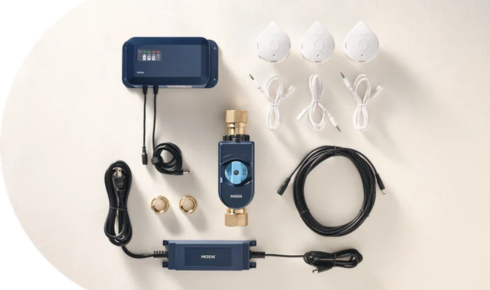
With leak detection monitoring, sensors are placed in high-risk areas—under sinks, near water heaters, behind washing machines. These devices detect unusual moisture levels or unexpected water flow.
If something changes, you receive an alert on your phone. Not hours later. Not days later. Immediately.
It’s a simple concept, but the impact is significant. Early detection often means the difference between tightening a fitting and replacing entire sections of flooring.
And for homeowners who travel frequently, that peace of mind is priceless.
The Power of Stopping Water Automatically
Alerting you to a problem is helpful. But what if you’re on a plane? Or in a meeting? Or simply asleep? Related: Making Better Water Easier: A Practical Guide to Whole-Home Water Treatment
Some advanced systems go a step further by incorporating automatic shutoff technology. When abnormal flow patterns are detected—like continuous water movement when no one is home—the system can close the main water valve automatically.
Think about that for a second.
Instead of discovering damage after returning from vacation, the system acts instantly. It prevents gallons—or even hundreds of gallons—of water from escaping into your home.
It’s not just convenient. It’s protective.
How Smart Systems Actually Work
You might imagine complex installations or invasive retrofits. In reality, many modern systems are surprisingly straightforward.
Flow-based systems monitor water usage at the main supply line. They learn your household’s patterns over time. When something falls outside the norm—say, water flowing at 2 a.m. for 20 minutes—they flag it.
Point-of-use sensors focus on specific areas, detecting moisture before visible damage occurs.
And everything connects to your smartphone through apps that provide data in real time. You can track usage, receive notifications, and even shut off water remotely.
For tech-savvy homeowners, this integration feels natural. For others, it’s simply another layer of safety.
Beyond Emergencies: Understanding Usage
Smart water systems don’t only prevent leaks. They offer insights into daily consumption. Related: Why Professional Water Treatment Installation Makes a Real Difference
You might discover that your irrigation system uses more water than expected. Or that a toilet has been quietly running longer than it should.
These small inefficiencies add up on utility bills. Monitoring allows you to adjust habits and repair minor issues before they grow.
In a world increasingly focused on conservation, understanding water usage feels responsible—not obsessive.
Who Benefits Most?
While every homeowner can benefit from water monitoring, certain situations make it especially valuable.
Older homes with aging plumbing. Vacation properties left unattended for weeks. Families with high water usage due to multiple bathrooms and appliances. Homes in colder climates where frozen pipes are a risk.
It’s also worth considering for anyone who has experienced water damage before. Once you’ve dealt with insurance claims, mold remediation, and construction repairs, prevention becomes far more appealing.
The Emotional Side of Prevention
There’s something deeply reassuring about knowing your home is actively protecting itself.
Water damage isn’t just financial. It’s disruptive. It interrupts routines. It forces you out of rooms. It brings stress into spaces meant to feel safe. Related: How Whole-House Water Filtration Can Transform the Quality of Your Home’s Water
Technology that prevents those scenarios changes how you feel about your home.
You sleep easier. You travel more comfortably. You stop worrying about what might be happening behind the walls.
That emotional shift is hard to quantify—but it matters.
Choosing the Right System
If you’re considering a smart water upgrade, start by assessing your home’s layout and plumbing age. Decide whether flow-based monitoring, point-of-use sensors, or a combination makes sense.
Professional installation ensures integration with your main shutoff valve and home network. Some systems even integrate with broader smart home platforms.
As with any infrastructure investment, clarity matters. Understand what the system can detect—and what it can’t.
Final Thoughts
Water is both life-giving and potentially destructive. It sustains your home, but it can also compromise it.
Smart monitoring technology offers a simple truth: prevention is easier than repair. Related: Why Better Water at Home Feels Like a Bigger Change Than You…
By integrating leak detection and automated response, you’re not just upgrading your plumbing. You’re strengthening your home’s resilience.
And sometimes, the smartest investment isn’t about adding something new—it’s about protecting what you already have.