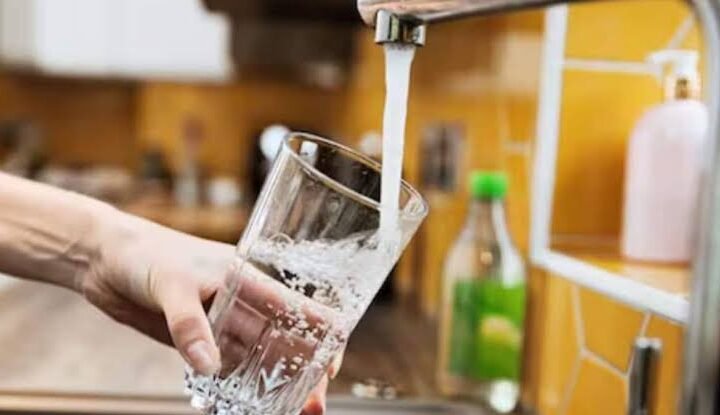
There’s something deeply satisfying about turning on a tap and knowing exactly what’s flowing into your glass. Clean, safe water—it’s one of those invisible luxuries we often overlook. But the truth is, not all water is created equal. Especially for folks who rely on private wells or live in areas with naturally hard or contaminated water, the journey to purity can be more complicated. That’s where modern filtration steps in—not just as a fancy upgrade, but as a practical, health-driven choice.
Let’s walk through this world together, not like a technical manual, but like a conversation between curious minds wanting the best for their families and homes.
The Quiet Problem in Your Water
Here’s the thing: you can’t always see what’s wrong with your water. Maybe you’ve noticed spots on dishes, dry skin after a shower, or an odd metallic taste. Those are the whispers of something deeper—things like heavy metals, sediments, or even bacteria hitching a ride through your pipes. Related: Finding Better Drinking Water for Your Home in Dade City
It’s not just about taste. Some of those contaminants, like lead, arsenic, or nitrates, can have long-term health effects if left unchecked. And if you’re pulling from a well, there’s no municipal treatment plant acting as your safety net. The responsibility? It falls on you.
That’s where well water purification becomes more than a buzzword—it’s a necessity. From multi-stage filters to UV treatment, homeowners now have more tools than ever to take control of their water quality.
More Than Just Clear: The Challenge of Minerals and Metals
A crystal-clear glass doesn’t always tell the full story. Water might look fine but carry an unwanted cocktail of magnesium, calcium, iron, or even trace amounts of harmful metals. These aren’t just potential health hazards; they’re house wreckers. Mineral buildup can shorten the life of your appliances, stain your fixtures, and even clog plumbing.
Dealing with minerals and metals removal is an often-underestimated part of home water treatment. Water softeners help with hardness, sure. But for more stubborn elements like iron or manganese, you’ll want advanced filtration media or oxidation systems. It’s not overkill—it’s the kind of fine-tuning your home’s infrastructure silently thanks you for. Related: Making Better Water Easier: A Practical Guide to Whole-Home Water Treatment
Tailored Solutions, Because One Size Doesn’t Fit All
Now, let’s talk RO—reverse osmosis. You’ve probably seen those slick systems that promise bottled-water-level purity right from your sink. And they can deliver on that promise, no doubt. But here’s where things get interesting.
Not every home needs the same RO setup. Maybe your water pressure is low. Maybe you want to connect the system to your fridge. Or maybe you’re eco-conscious and don’t want too much water wasted in the process.
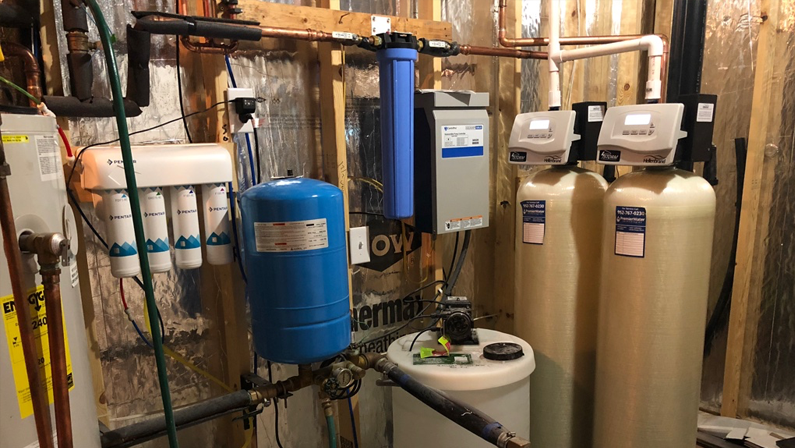
That’s where custom RO installation comes in. It’s not just about buying a unit from a store and plugging it in. It’s about having a setup tailored to your home’s unique needs. Think multi-stage filters based on your test results, or tankless systems for smaller spaces. With the right design, RO systems can purify water efficiently while blending seamlessly into your routine.
What About the Environmental Side?
Now, no good conversation about water should skip this part: sustainability. It’s tempting to throw every filter and system at the problem, but thoughtful implementation is key. Some systems waste a lot of water. Others use harsh chemicals. The goal is balance—clean water without leaving a heavy environmental footprint. Related: Why Professional Water Treatment Installation Makes a Real Difference
Modern filtration tech is thankfully catching up. Newer RO systems recycle a portion of wastewater. Smart filters alert you when it’s time for a change, so you don’t overuse resources. Even the media used in filtration (like coconut-based carbon) is getting greener.
So yes, being mindful of your footprint while improving water quality is very much possible—and increasingly, expected.
Real-Life Impact: More Than Just Tech Specs
Let’s shift gears from gadgets to people. Installing the right system isn’t just a checkbox on a to-do list. It’s something that touches your daily life in the most ordinary and meaningful ways. Related: How Whole-House Water Filtration Can Transform the Quality of Your Home’s Water
You brew coffee that actually tastes like the beans you paid for. Your kids drink from the tap without a second thought. You shower without worrying about itchy skin. Your clothes last longer, and even your plants seem to perk up.
These little things add up. And they’re worth investing in.
Where to Begin (Without Getting Overwhelmed)
If you’re nodding along thinking, “Okay, I should probably do something about my water,” but also feeling a bit overwhelmed—hey, that’s normal.
Start simple:
- Get your water tested. Whether you’re on a well or city supply, a basic test can reveal a lot—hardness, pH, contaminants.
- Prioritize. Is taste your main concern? Or is it scale buildup? Or health issues? Rank your needs.
- Consult a pro. Even if you’re a DIY enthusiast, a quick consult with a water specialist can save you time, money, and guesswork.
- Think modular. You don’t need a giant, expensive setup right away. Many systems are expandable—start with basics and grow as needed.
Final Thoughts: The Peace of Clean Water
In a world full of complicated tech and confusing decisions, water is refreshingly straightforward—at least, it should be. We drink it. We bathe in it. We cook, clean, and live with it. So why not make sure it’s the best it can be? Related: Why Better Water at Home Feels Like a Bigger Change Than You…
Clean water isn’t just a utility—it’s part of your home’s ecosystem. Investing in good filtration isn’t flashy, but it’s one of the smartest, most grounded decisions you can make. And when you get it right? It’s one less thing to worry about—and a whole lot to be grateful for every day.