A home can feel perfectly fine until something small goes wrong. Perhaps the kitchen sink begins draining slowly, a bathroom tap won’t stop dripping, or the water pressure suddenly seems weaker than usual. These problems rarely arrive at a convenient moment. They tend to show up when you’re busy, tired, or already dealing with something else.
Plumbing is easy to overlook because most of the system stays hidden. Pipes run behind walls, beneath floors, and through spaces we seldom visit. Yet those unseen parts help keep everyday life moving. A little attention, sensible maintenance, and timely professional support can prevent many minor concerns from turning into expensive repairs.
The Everyday Value of a Well-Maintained Plumbing System
A reliable plumbing system does more than deliver water to taps. It carries wastewater away, supports appliances, helps maintain comfortable indoor temperatures through certain systems, and protects the building from moisture damage. When everything works properly, these jobs happen quietly in the background.
The trouble is that plumbing problems often develop gradually. A joint may begin to leak only occasionally. A drain might take a few extra seconds to empty. A toilet may refill more frequently than it used to. Because the changes happen little by little, homeowners sometimes adjust to them rather than investigating. Related: 10. Finding the Right Water Treatment Solution for a Healthier, More Comfortable…
It’s worth paying attention to these early clues. Look under sinks now and then, check around toilets for damp flooring, and notice whether your water bill changes unexpectedly. You don’t need to become a plumbing expert. Simply recognizing that something has changed can help you arrange an inspection before the damage spreads.
Gas Lines Require Special Care
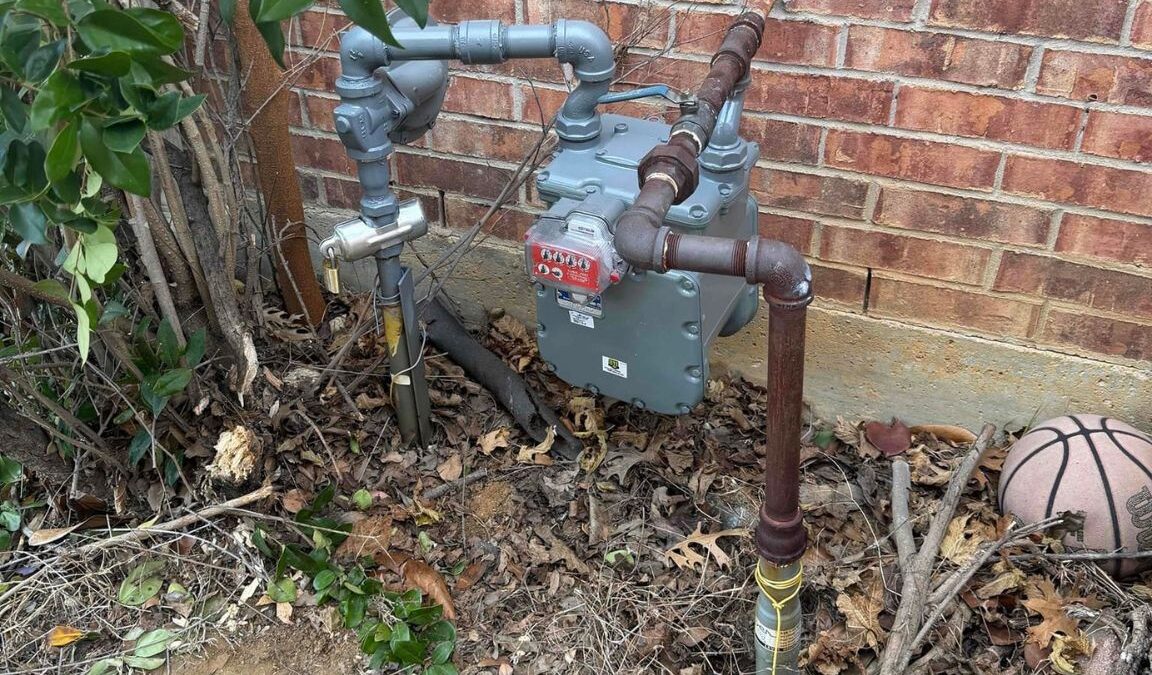
Gas appliances offer convenience, whether you’re cooking dinner, heating water, or warming the house on a chilly evening. But gas piping is not an area for guesswork or do-it-yourself experimentation. A damaged connection, improperly installed line, or poorly maintained appliance can create a serious safety hazard.
If you smell gas, hear a hissing sound near a gas line, or suspect a leak, leave the area immediately. Avoid operating electrical switches, lighting flames, or using anything that could create a spark. Once you’re safely away, contact your gas utility or emergency services according to local guidance. Don’t return until the area has been declared safe.
Professional gas line & gas red tag services can help address concerns involving gas piping, appliance connections, safety inspections, and equipment that has been tagged because it presents a potential hazard. The appropriate response depends on the situation and local regulations, so qualified professionals should assess the system rather than relying on a quick visual check.
A red tag shouldn’t be treated as a minor inconvenience to work around. It signals that a safety issue needs attention. Ask the technician to explain the identified problem, what must be corrected, and which inspections or approvals are needed before the equipment can be used again. Understanding the reason behind the warning helps you make safer decisions. Related: Better Water Starts With the Right Technology and People Who Know Their…
When Drains Stop Doing Their Job
A slow drain can seem like a small nuisance, especially if water eventually disappears. Still, recurring blockages often indicate that something is building up inside the pipe. Hair, soap residue, cooking grease, food particles, and unsuitable items can restrict flow over time.
The first step is to consider where the problem occurs. If one sink drains slowly, the blockage may be close to that fixture. If several drains are affected, or water backs up into another part of the home, the issue could involve a larger section of the drainage system. Gurgling sounds and unpleasant odors can provide additional clues.
Routine care helps. Use strainers where appropriate, dispose of grease in the trash rather than the sink, and avoid flushing wipes or other materials that don’t belong in the toilet. Be cautious with chemical drain cleaners, particularly if you’ve already tried another product or don’t know what is causing the blockage. Mixing chemicals can be dangerous, and some products may damage pipes.
When the same drain keeps clogging, professional drain cleaning & fixture upgrades may be worth considering. A plumber can investigate the cause, clear the obstruction using a suitable method, and recommend repairs or fixture improvements if the existing setup contributes to repeated problems. The goal is to address the underlying issue rather than simply restore flow for a few days.
Why Water Pressure and Quality Matter
Most people notice water pressure only when it changes. A shower that suddenly feels weak can make an ordinary morning frustrating, while a tap that sputters or produces discolored water may raise concerns about the plumbing. These symptoms can have several causes, from clogged aerators and partially closed valves to leaks, mineral buildup, or problems with the incoming supply. Related: Finding Better Drinking Water for Your Home in Dade City
Before assuming the entire system needs repair, check whether the issue affects one fixture or the whole house. A single faucet may need cleaning, while widespread pressure changes deserve a broader assessment. If water suddenly becomes cloudy, develops an unusual smell, or changes color, follow local water-provider advice and seek professional guidance where necessary.
A reliable water supply depends on more than the pipes entering the property. It also involves sound connections, suitable pressure, well-maintained fixtures, and prompt attention to leaks. Homes with older plumbing may benefit from an assessment of pipe materials and condition, especially if they experience recurring corrosion, unexplained moisture, or frequent repairs.
Water quality concerns shouldn’t be dismissed based on appearance alone. Some contaminants cannot be seen, tasted, or smelled. If you’re concerned about drinking water, consult your local water utility or an accredited testing service to determine whether testing is appropriate and what the results mean.
Preventing Leaks Before They Cause Damage
A leak doesn’t need to produce a puddle to be troublesome. Water escaping slowly behind a wall or beneath a cabinet can damage building materials, affect indoor air quality, and create conditions that encourage mold. By the time a stain appears on a ceiling, the source may have been leaking for quite a while.
Watch for peeling paint, swollen cabinets, soft flooring, persistent musty odors, and damp areas that return after being dried. These signs don’t always point to plumbing, but they deserve investigation. If you can safely identify a leaking fixture, shutting off its supply may limit further damage while you arrange repairs. Related: Making Better Water Easier: A Practical Guide to Whole-Home Water Treatment
Knowing the location of your main water shutoff is another useful precaution. During a burst pipe or major leak, those first few minutes can matter. Show everyone in the household where the valve is and explain how to operate it, provided it can be accessed safely.
Choosing the Right Professional Help
Finding a plumber shouldn’t mean choosing the first name that appears online. Check licensing requirements in your area, ask about insurance, and look for experience relevant to the problem. A specialist who regularly handles drainage issues may be a better fit for a recurring sewer blockage than someone who mainly installs fixtures.
Before work begins, ask for a clear explanation of the proposed repair and its estimated cost. For larger jobs, confirm whether permits or inspections are required and whether the work includes cleanup, replacement materials, and any applicable warranty. Good communication makes it easier to understand your options without feeling pressured into unnecessary upgrades.
Price matters, naturally, but so does the quality of the work. A repair that fails a week later may cost more in the long run than a properly completed job.
A Safer Home Starts With Small Decisions
Maintaining your plumbing doesn’t require constant worry or a long list of complicated chores. It comes down to noticing changes, avoiding habits that strain the system, and knowing when a concern needs expert attention. Related: Why Professional Water Treatment Installation Makes a Real Difference
Gas safety, clear drains, and dependable water service all contribute to a home that feels comfortable and secure. Handle warning signs promptly, keep up with reasonable maintenance, and ask questions when something doesn’t seem right. Those modest steps can help protect your property, reduce avoidable disruption, and keep the everyday routines you depend on running smoothly.