Why Water Quality Deserves More Attention
Most of us use water dozens of times a day without giving it much thought. We turn on the kitchen tap to fill a glass, take a shower before work, run the washing machine, or water the garden. It is part of the ordinary rhythm of home life. But when water starts leaving mineral deposits, develops an unusual taste, or causes plumbing fixtures to collect stubborn stains, those everyday routines become a little less convenient.
Water quality problems can have different causes, and the solution isn’t always as obvious as it first appears. Hard water, sediment, chlorine taste, and certain dissolved contaminants require different treatment approaches. Installing equipment without understanding the underlying issue may lead to unnecessary costs and disappointing results.
That is why a careful assessment matters. A knowledgeable professional can help identify the concern, explain the available options, and recommend a solution that fits the household’s needs. The goal isn’t to install the biggest system on the market. It’s to make water safer or more comfortable to use, depending on the problem being addressed.
Understanding Modern Water Treatment Technology
Advances in water treatment technology have made it possible to address a wide range of water quality concerns in residential and commercial settings. However, different systems perform different jobs, and understanding those differences helps customers make better decisions.
Water softeners, for instance, are commonly used to reduce hardness caused by calcium and magnesium. These minerals can contribute to scale buildup on plumbing fixtures, water heaters, and appliances. A properly sized softener may help manage that buildup and make cleaning easier, although it doesn’t remove every possible contaminant. Related: 10. Finding the Right Water Treatment Solution for a Healthier, More Comfortable…
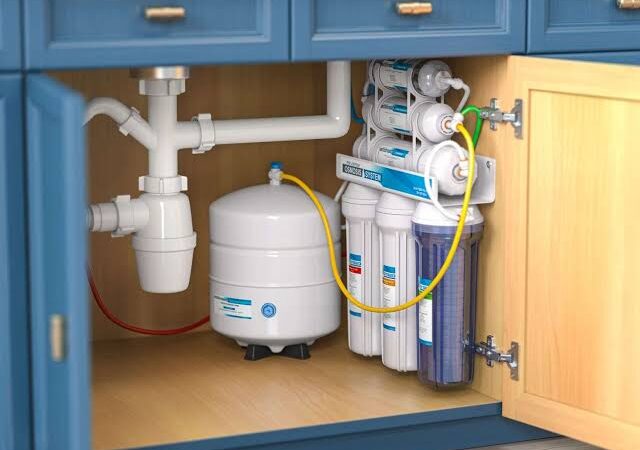
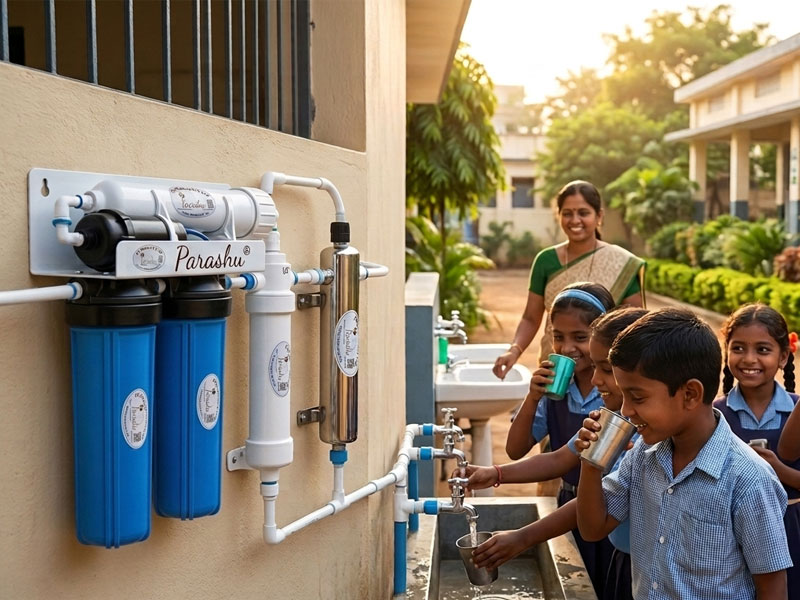
Filtration systems work differently. Depending on their design and filter media, they may reduce sediment, chlorine, unpleasant odors, or specific unwanted substances. Reverse osmosis systems use a semipermeable membrane to reduce many dissolved substances in drinking water. Some households use these systems at a dedicated kitchen tap, while others may need a broader treatment arrangement.
The key is choosing equipment based on evidence rather than assumptions. Water that looks clear isn’t necessarily free from contaminants, and an unpleasant taste doesn’t automatically mean the supply is unsafe. Where safety is a concern, appropriate water testing can identify which substances need attention.
Homeowners should also review product certifications and performance specifications. A system may be certified to reduce particular contaminants under defined conditions, but that doesn’t mean it removes everything. Reading the details is worth the effort.
Plumbing Expertise Makes a Real Difference
Water treatment equipment doesn’t operate in isolation. It connects to a property’s plumbing system, and the quality of the installation can influence performance, maintenance, and reliability.
Experienced licensed master plumbers bring valuable knowledge to projects involving water supply lines, pressure concerns, drainage connections, and the practical challenges of fitting equipment into existing buildings. Their training and licensing requirements vary by location, so homeowners should verify local credentials and confirm that the professional is authorized to perform the work required.
Consider a household experiencing low water pressure after installing a filtration unit. The issue could involve an undersized system, a clogged filter, an installation problem, or an existing plumbing restriction. Simply replacing the equipment without checking these possibilities may not solve anything. Related: The Plumbing Details That Help Keep Your Home Safe and Comfortable
Professional assessment can help identify the source of the problem before unnecessary parts are purchased. It also helps ensure that valves, fittings, bypass connections, and other components are installed correctly.
Not every water quality concern requires major plumbing work, of course. Some filtration units are relatively straightforward to install, while whole-house systems may require more planning. A qualified professional should explain what the job involves, whether permits are necessary, and what the customer can expect during installation.
Choosing a Solution That Fits Your Property
Every property has its own requirements. A small household with limited water use may need a different system from a large family home with several bathrooms. A restaurant, workshop, or office building may have additional demands because of the number of people using the water and the equipment connected to the supply.
Before choosing a system, think about the problem you want to solve. Is scale building up around faucets? Does drinking water have an unpleasant taste? Has a water test identified a specific contaminant? Or are you trying to protect equipment from the effects of hard water?
These questions help narrow the options. They also make conversations with a service provider more productive because the discussion can focus on actual needs rather than broad product claims.
Available space is another consideration. Whole-house systems need suitable installation areas and access for maintenance. Under-sink units must fit around existing plumbing, storage, and household items. Replacement filters and other consumables should also be easy to source. Related: Finding Better Drinking Water for Your Home in Dade City
Then there is the cost. The initial purchase price matters, but it doesn’t tell the whole story. Filter replacements, salt, periodic inspections, water usage, and potential repairs can affect the long-term expense. Comparing these costs helps homeowners choose a system they can maintain comfortably.
Service Doesn’t End When the Installation Is Complete
A new water treatment system can be a worthwhile investment, but it still needs attention. Filters gradually collect particles or reach the end of their useful life. Water softeners require appropriate salt levels and occasional checks. Pumps, valves, and electronic controls may need inspection as the equipment ages.
This is where dedicated service professionals can make everyday ownership much easier. Reliable support means more than responding when something breaks. It includes explaining routine maintenance, helping customers understand warning indicators, and answering questions about changes in system performance.
For example, if filtered water begins flowing more slowly than usual, a technician may check the filter condition, water pressure, and other system components. The cause might be a routine maintenance issue rather than a major failure. Addressing it early can reduce inconvenience and help protect the equipment.
Before signing a service agreement, customers should ask what is included. Some plans cover scheduled inspections but charge separately for replacement parts. Others include certain consumables or provide priority appointments. Clear terms make it easier to plan for future expenses.
Homeowners can also help by keeping maintenance records and following the manufacturer’s instructions. Knowing when filters were last changed or when the system was inspected makes troubleshooting more straightforward. Related: Making Better Water Easier: A Practical Guide to Whole-Home Water Treatment
Practical Questions Worth Asking Before You Buy
A good provider should welcome questions. In fact, the answers can tell you a great deal about the quality of advice you’re receiving.
Ask which specific water quality problem the proposed system addresses and whether testing is recommended before installation. Find out what the equipment is designed to reduce, what limitations it has, and how its performance will be maintained. You should also ask about installation costs, warranty coverage, replacement parts, and expected servicing requirements.
Be cautious of sweeping promises. No single treatment system can be assumed to remove every possible contaminant under all conditions. Claims should be supported by product specifications, independent certifications where applicable, and information relevant to your water supply.
It’s equally important to understand what happens if the system doesn’t perform as expected. A clear explanation of troubleshooting, warranty procedures, and follow-up support can prevent confusion later.
Ultimately, the right provider should help you understand your options rather than make the decision feel rushed. Good advice gives customers room to compare, consider their budget, and choose a solution with realistic expectations.
Building Confidence in Every Drop
Better water often begins with a few sensible steps: identify the concern, test when necessary, choose suitable equipment, and arrange a proper installation. From there, regular maintenance helps the system continue doing its job. Related: Why Professional Water Treatment Installation Makes a Real Difference
Technology matters, but so do the people who assess the problem, install the equipment, and provide support over time. When these elements work together, homeowners can make informed choices without getting lost in technical language or unnecessary upgrades.
Water treatment isn’t about finding one perfect product for every property. It’s about understanding what your water needs and responding with a practical, well-supported solution. With careful planning and dependable expertise, cleaner, more comfortable water can become a lasting part of everyday life rather than another household problem to worry about.