
Ever walked past your water softener and wondered if that strange gurgling sound or oddly high water level in the tank was… normal? You’re not alone. Owning a water softener is like owning a pet that doesn’t bark—it quietly does its job in the background until something feels off. And when it does, questions come flooding in.
Let’s talk about something most homeowners with a softener have googled at least once: “How much water should be in the brine tank?” or “Why is my salt not going down?” or even “Do I need to refill this thing with salt every week?” Whether you’ve just installed one or had it for years, these details matter—and yet, they’re often misunderstood.
The Mysterious Case of the Brine Tank Water Level
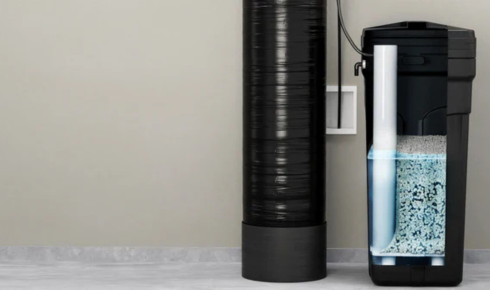
Okay, first things first: the brine tank. This is where salt and water mix to form the solution that regenerates your softener’s resin beads. Without this process, your softener just becomes an expensive piece of plumbing décor.
Now here’s where confusion sets in: how much water should be in brine tank at any given time?
The answer is… it depends. On most systems, the water level should sit anywhere from 6 to 12 inches from the bottom of the tank after a regeneration cycle. That’s usually enough to dissolve the right amount of salt for the next cycle. If your tank’s full of water or bone dry all the time, something’s up.
Too much water could signal a float malfunction, a clogged drain line, or even salt bridging. On the flip side, no water might mean your system isn’t refilling properly—possibly due to a broken valve or a programming glitch.
Salt: The Unsung Hero (Or the Neglected Sidekick)
Ah, salt. It’s the lifeblood of your softening system, yet it’s easy to overlook—until your water starts tasting like metal again and your skin feels like sandpaper.
So, let’s settle this: water softener how much salt do you actually need?
A good rule of thumb? Top off the tank once the salt drops below the halfway mark. That’s about every 6 to 8 weeks for an average household, assuming you’re using a decent pellet-style salt and not the rock variety (which can clog things up).
As for how much to add—it varies by tank size. Most residential softeners have brine tanks that hold between 200 and 300 pounds of salt. You don’t have to fill it to the brim every time. In fact, you shouldn’t. Keeping the salt level a few inches above the water line is ideal—enough to allow proper dissolving without causing a salt bridge.
Brine efficiency also depends on your system settings, water hardness, and daily usage. If your salt disappears too fast or too slow, it might be time to recalibrate your softener or consider a system check-up.
Water Softener Water Level: Not Too Much, Not Too Little
While salt gets most of the attention, water plays a starring role in your softener’s performance too. And just like the brine tank, the main unit—the resin tank—also has its water level mysteries.
So, how much water should be in water softener after regeneration?
Here’s the kicker: unlike the brine tank, the resin tank shouldn’t really look full of water. Once the regeneration cycle is complete, water drains out and the tank fills with soft water ready for use—not excess brine or stagnant liquid.
If you open the lid and see standing water where there shouldn’t be any, it could mean your system isn’t draining properly, or it’s stuck mid-cycle. Either way, don’t ignore it. Long-term exposure to brine can corrode components and lead to more expensive repairs.
A water softener in good working condition balances water volume precisely. It pulls just enough brine from the tank to clean the resin, flushes it, and resets. It’s a delicate dance that relies on accurate programming, clean lines, and functioning valves.
The Dirty Secrets: Salt Bridges and Mushing
You know that layer of hardened salt at the top of your brine tank that looks solid but crumbles under pressure? That’s a salt bridge. And it’s a common culprit behind softeners suddenly not working.
Salt bridges form when humidity, poor-quality salt, or overfilling the tank causes the salt to bind together and create a crust. Water can’t get through, the brine doesn’t form, and your regeneration cycle ends up half-baked.
Below that? You might find a soggy, slushy mess—aka salt mushing. This muck settles at the bottom and clogs the intake system. That’s when your softener starts to misbehave, and suddenly, your dishes have spots again and your laundry feels scratchy.
A simple fix? Break the bridge using a broom handle or clean PVC pipe. For mushing, a full cleanout may be needed. Scrape it out, rinse the tank, and let it dry before refilling with fresh salt.
Maintenance Tips You’ll Actually Want to Do
Let’s face it—water softener upkeep isn’t the most glamorous job. But a little attention goes a long way.
Here are a few human-friendly tips:
- Check salt levels monthly – Set a phone reminder if needed. It’s easy to forget.
- Clean your brine tank once a year – Just like clearing gutters or changing AC filters. Unplug the system first!
- Watch for unusual water levels – Random spikes or dips in the brine tank usually mean something’s wrong.
- Use high-purity salt pellets – Cheaper salts may save you money upfront but can gum up your system in the long run.
- Test your water hardness yearly – Things change, especially if you move or switch municipal sources.
Final Thoughts: It’s All About Balance
A water softener isn’t a “set it and forget it” device. Like anything mechanical that improves your daily life, it needs occasional care. Knowing what’s normal—and what’s not—can help you prevent breakdowns, save money on repairs, and extend the life of your system.
So, next time you peer into the tank, don’t just wonder aimlessly. Think about the salt level, the water height, the sound of the valve, or how your skin feels after a shower. These little clues matter.
When in doubt, consult your user manual—or better yet, call a pro. But most of the time, with just a bit of awareness, you’ll be perfectly capable of keeping your softener in tip-top shape.