
There’s something deeply comforting about turning on the tap and filling a glass without a second thought. Most of us grow up assuming that if water looks clear, it must be safe. But the truth is a bit more complicated than that. Beneath that clean, sparkling surface can lie invisible risks—some minor, some more serious, all worth understanding.
Water safety isn’t just a topic for environmental scientists or city officials. It’s personal. It’s about your kitchen sink, your child’s sippy cup, the kettle you boil every morning. And in a world where infrastructure ages and environmental pressures increase, conversations around water quality feel more relevant than ever.
The Invisible Problem We Don’t See
One of the biggest issues with water contamination is that you usually can’t detect it with your senses. No strange smell. No odd color. Sometimes not even a taste difference. That’s what makes contamination challenges so frustrating for homeowners. By the time you realize something is wrong, the issue may have been present for months—or longer.
Aging pipes, industrial runoff, agricultural chemicals, and even natural mineral deposits can all affect water quality. In older neighborhoods, outdated plumbing systems are often the quiet culprit. Corrosion inside pipes can introduce metals into the water supply, especially if the infrastructure hasn’t been updated in decades.
And then there’s the reality of environmental change. Heavy rainfall can overwhelm treatment plants. Drought conditions can concentrate contaminants in reservoirs. It’s not about panic; it’s about awareness. Water systems are complex, and while most municipal supplies meet regulatory standards, they’re not immune to stress.
Understanding Lead and Why It Matters
Lead, in particular, has become a headline issue over the past decade—and for good reason. Even small amounts can pose health risks, especially for children and pregnant women. What’s tricky is that lead often enters water not from the source itself, but from household plumbing.
Homes built before the mid-1980s may contain lead solder, lead service lines, or brass fixtures that release trace amounts over time. The process isn’t dramatic; it’s gradual. Corrosion slowly allows particles to leach into drinking water.
For many families, the idea of filtering lead from their tap water brings peace of mind. It’s not an overreaction; it’s a precaution. Certified filters designed specifically for lead reduction can significantly lower exposure risks. And while replacing plumbing entirely may be ideal, it’s not always financially realistic. A well-chosen filtration system becomes a practical bridge between concern and solution.
Testing Before Guessing
Before investing in any filtration system, testing is the smartest first step. Water testing kits are widely available, and many municipalities offer annual quality reports. But those reports reflect system-wide data, not necessarily what’s happening inside your specific home’s pipes.
Professional lab testing provides the clearest snapshot. It might reveal elevated mineral content, microbial presence, or metal traces. Sometimes the results show everything is perfectly fine—which, honestly, is a relief worth the small investment.
There’s something empowering about knowing instead of wondering. It shifts the conversation from vague worry to informed action.
Building Smarter Habits at Home
Beyond testing and filtration, small daily habits can make a difference. Letting tap water run for a minute before using it for drinking or cooking can reduce stagnant water exposure. Using cold water for consumption (since hot water can dissolve contaminants more easily) is another simple step.
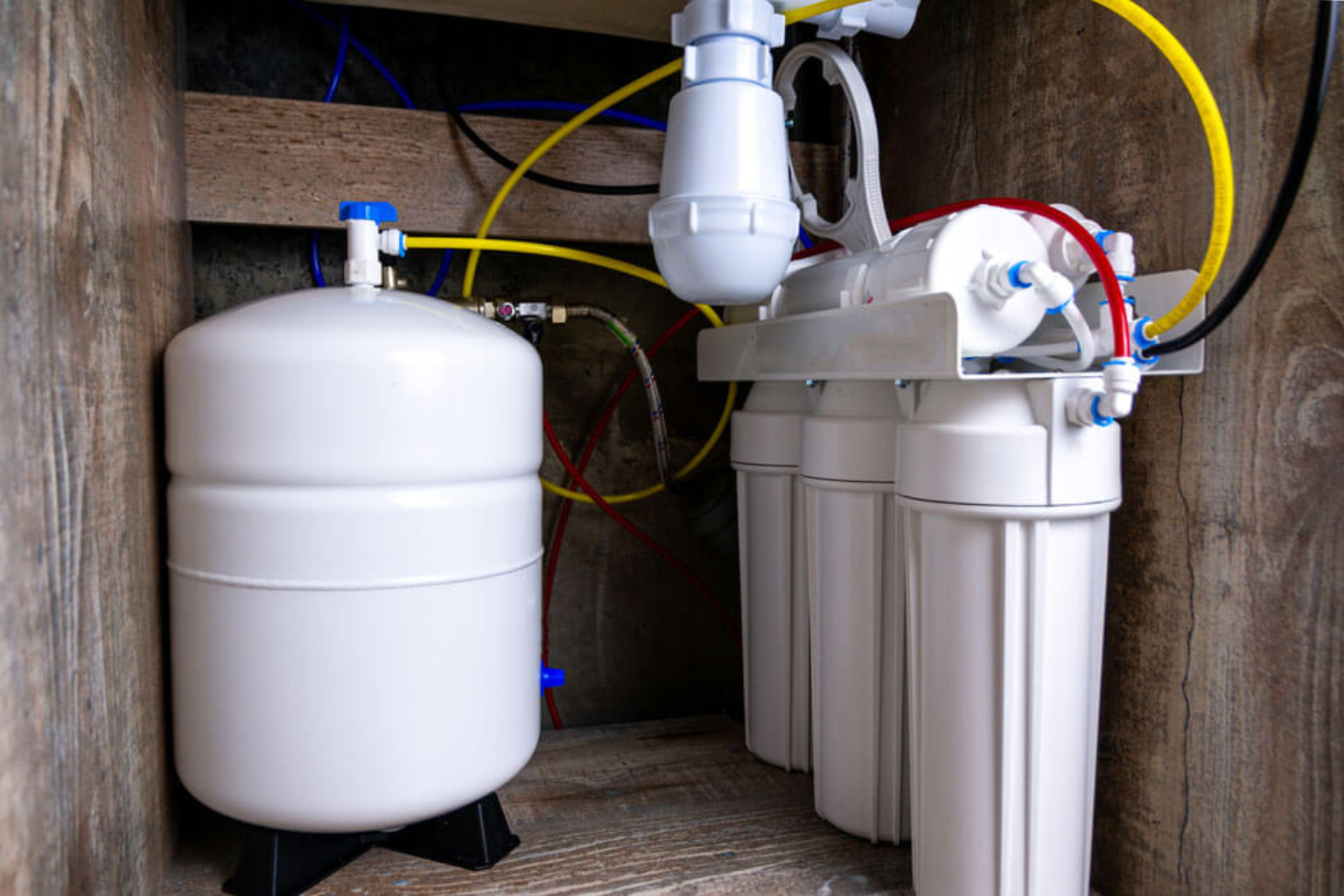
These are part of broader safe water strategies that households can adopt without major lifestyle changes. Installing point-of-use filters under sinks, maintaining water heaters properly, and staying updated on local water advisories all contribute to safer consumption.
And yes, regular maintenance matters. Even the best filtration system won’t perform well if cartridges aren’t replaced on schedule. Think of it like changing the oil in your car—you don’t skip it just because the engine sounds fine.
The Balance Between Caution and Calm
It’s easy to fall into extremes when discussing water safety. On one side, there’s complacency—“It’s probably fine.” On the other, there’s anxiety—“Everything is toxic.” The healthiest approach lies somewhere in between.
Most public water systems in developed regions operate under strict regulations. That’s important to remember. At the same time, regulations are based on acceptable thresholds, not necessarily zero exposure. And acceptable doesn’t always mean ideal, especially for vulnerable populations.
Being proactive doesn’t mean being fearful. It simply means understanding that water quality is dynamic. Infrastructure ages. Environments shift. Systems evolve.
Investing in Long-Term Solutions
If you’re planning renovations or moving into an older property, water quality should be part of the conversation. Replacing outdated pipes, installing whole-home filtration, or upgrading fixtures may seem like background details—but they can significantly improve daily life.
For families with young children, elderly relatives, or immune-compromised members, extra caution often feels worthwhile. Clean water isn’t a luxury. It’s foundational.
And while bottled water might seem like an easy alternative, it’s not always sustainable—or necessarily safer. In many cases, properly filtered tap water offers comparable, if not better, quality without the environmental impact of plastic waste.
A Quiet Form of Self-Care
We talk a lot about wellness these days—organic food, fitness routines, mindfulness apps. But clean drinking water? That’s the most basic form of self-care there is.
It doesn’t need to become an obsession. It just deserves attention. A test kit. A filter. A quick check of your home’s plumbing history. These aren’t dramatic steps. They’re thoughtful ones.
And maybe that’s the takeaway here. Water safety isn’t about alarm bells or viral headlines. It’s about steady, informed decisions made at the kitchen sink. It’s about asking small questions that lead to meaningful answers.
Because when you pour that next glass of water, you shouldn’t have to wonder what’s in it. You should just drink—and trust.