
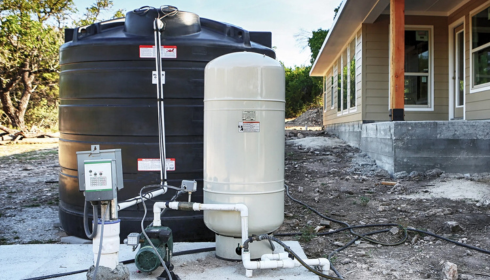
When you turn on your faucet and fresh, clean water flows out instantly, you probably don’t stop to wonder how it all works behind the scenes. But for those living in rural areas or off the grid, understanding your well water system isn’t just useful—it’s essential. And right at the heart of that system? An intricate dance between jet well pumps, pressure tanks, and newer innovations like constant pressure tanks. Let’s pull back the curtain on this often-overlooked system and see what makes it tick.
Jet Well Pumps: Old School But Reliable
There’s something ruggedly dependable about jet well pumps. They’ve been around for decades, and while they’re not the newest kids on the block, they’ve earned their place in the toolkit of any serious well owner. If your home pulls water from a shallow or moderately deep well, odds are good this is the pump doing the heavy lifting.
Jet pumps work by creating a vacuum that draws water up from your well using centrifugal force. They’re often located above ground, making maintenance a bit easier than with submersible pumps. But they’re not perfect. They can be noisy, and they struggle with deeper wells, especially in low-pressure scenarios. Still, for homes with limited depth requirements and moderate water demand, jet well pumps offer a cost-effective and relatively simple solution.
When Your Pressure Tank Starts Acting Up…
If you’ve ever noticed your well pump cycling on and off more frequently than usual, or your shower pressure suddenly fluctuating like it’s confused about what it wants to be—there’s a good chance your pressure tank is on its way out. And trust me, ignoring it won’t make it better.
Pressure tanks are the unsung middlemen between your pump and your plumbing. They store water and use air pressure to deliver it to your home in a consistent, measured flow. But over time, that internal bladder can rupture, pressure switches can fail, and the system gets, well, cranky. You’ll feel it in your water pressure, and hear it when the pump starts short cycling.
A pressure tank replacement might sound intimidating, but it can actually be a straightforward job—especially if caught early. Putting it off, though, can wear your pump down faster, spike your energy bills, and eventually leave you with a cold shower and a plumber’s invoice that stings more than the water ever could.
The Rise of Constant Pressure Tanks
Technology doesn’t stay still for long. Enter constant pressure tanks—a bit of a game changer in the well water world. These systems monitor demand in real time and adjust pump speed accordingly, keeping your water pressure consistent no matter how many appliances are in use. Shower running? Dishwasher humming? Garden hose blasting? No problem.
Unlike traditional setups that turn the pump on and off repeatedly, constant pressure systems use variable speed motors to operate more smoothly. The result? A longer-lasting pump, more efficient energy usage, and the kind of steady water pressure city folks take for granted.
It’s not just about convenience either. In homes with large families or multiple bathrooms, constant pressure tanks can make the difference between a chaotic morning routine and a peaceful, uninterrupted start to the day. Are they more expensive? Sure. But the long-term benefits—less wear and tear, lower utility costs, and higher comfort—often outweigh the upfront cost.
Knowing When to Upgrade (and When Not To)
Let’s be real—home improvement budgets aren’t infinite. So how do you know when it’s time to move from a standard pressure tank to a constant pressure system, or when to just stick with what you’ve got and replace the failing parts?
Ask yourself:
- Are you experiencing fluctuating water pressure, especially when multiple taps are running?
- Is your well pump cycling more frequently than usual?
- Have you had to repair or replace your pressure tank more than once in the past 5 years?
- Is your household water demand increasing (new bathrooms, appliances, etc.)?
If you answered “yes” to a couple of those, it might be time to look into a system upgrade. But if your current setup has been working like a champ and the issues are isolated, targeted fixes—like a new bladder tank or an upgraded pressure switch—might be all you need.
A Few DIY Tips (But Know When to Call the Pros)
Not every issue needs a technician right away. Checking your tank’s pressure with a tire gauge, draining the tank occasionally, or replacing a worn pressure switch are all within the capabilities of a confident DIYer. Just remember—electrical and water systems don’t always mix well if you’re not sure what you’re doing. If in doubt, make the call.
Also, be cautious when buying tanks or pumps online. Compatibility matters. Pressure settings, tank size, horsepower—these aren’t one-size-fits-all. Take some time to learn what your system needs or consult a local expert before pulling the trigger on that “too-good-to-be-true” deal.
The Bottom Line: Respect the System
It’s easy to take your water system for granted. You don’t see it, it (usually) works quietly in the background, and it doesn’t demand much—until it does. Then it demands everything, all at once.
A healthy water system is more than a luxury. It’s essential to comfort, hygiene, and peace of mind. Whether you’re still running a traditional jet pump with a classic steel tank, or you’ve upgraded to a sleek, modern constant pressure setup, the key is staying informed and proactive.
Because the truth is, your water system won’t yell for help. It’ll whisper—through inconsistent pressure, strange noises, or subtle shifts in your daily routine. Listen early, act smart, and your system will thank you with years of reliable service.
Final Thoughts
There’s something kind of noble about how these systems work. Hidden underground or tucked away in basements, they keep the water flowing while asking very little in return. So whether you’re replacing an old tank, upgrading to a more modern setup, or just starting to research your options, take the time to understand the pieces involved.
After all, a little knowledge now can save a lot of headaches later. And hey, who wouldn’t want to be the kind of homeowner who actually knows what a bladder tank does?