
Water doesn’t usually get much credit. We talk about kitchen renovations, new appliances, energy-efficient windows — but water? It’s just… there. Running through pipes, filling kettles, washing dishes, rinsing shampoo from our hair. Constant and invisible.
Until something feels off.
Maybe the tap water tastes slightly metallic. Maybe your dishwasher leaves a haze on glasses. Or maybe you’ve noticed your skin feels drier than it used to, even after changing soaps.
Those small signals often point to a bigger conversation about water quality — not in a dramatic, alarmist way, but in a practical, everyday sense.
It Starts With Taste and Trust
For many homeowners, the first concern is drinking water. Even when municipal systems meet safety standards, that doesn’t always translate to ideal taste or comfort.
Chlorine, mineral content, or trace elements can affect flavor. And while none of it may be harmful at regulated levels, it’s human nature to want water that feels clean and fresh.
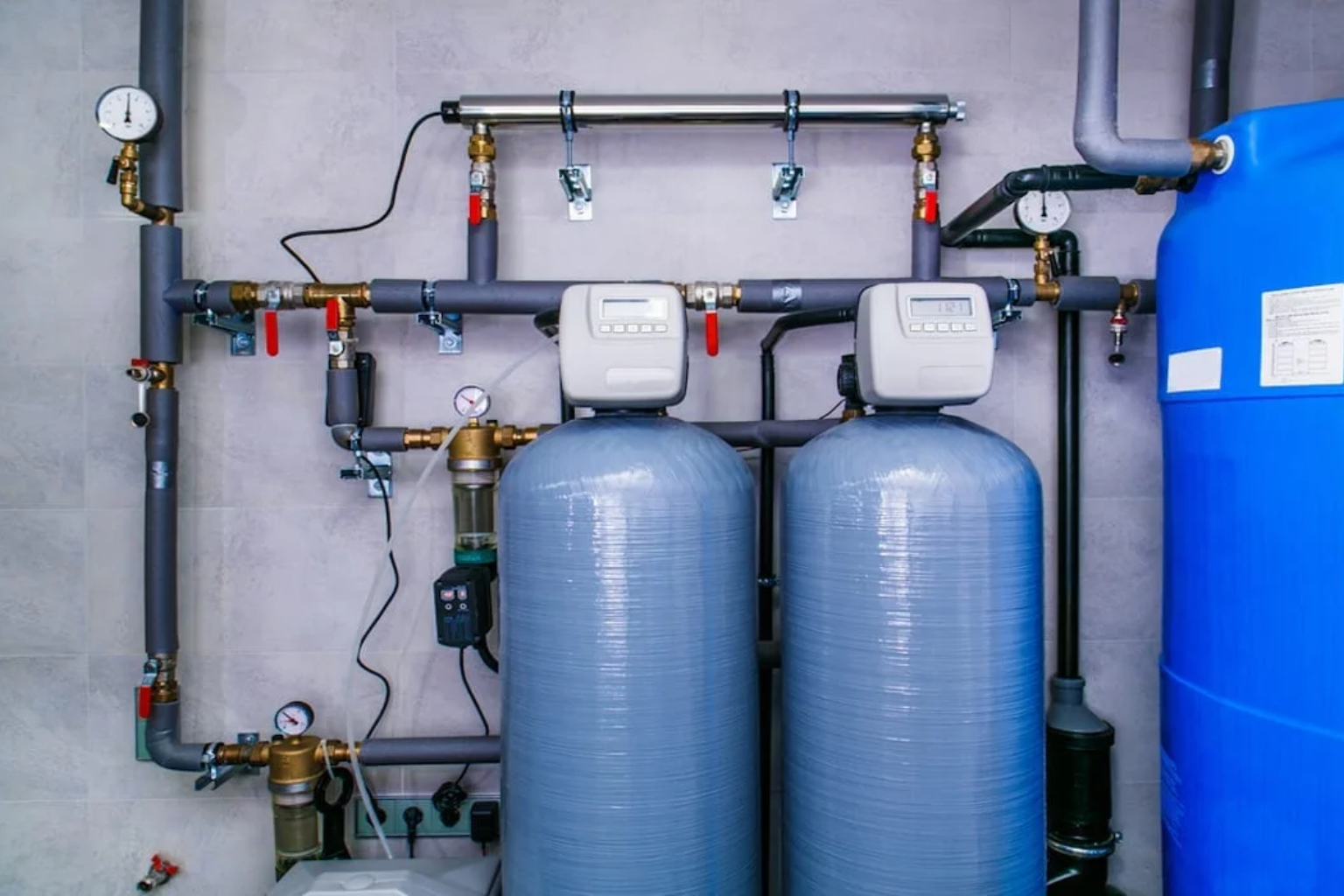
Installing a treatment system often brings peace of mind — not because something was “wrong,” but because there’s reassurance in knowing you’ve taken an extra step toward healthier water for your family.
And when water tastes better, people tend to drink more of it. That alone can shift daily habits in subtle but meaningful ways.
The Appliance Angle Nobody Talks About
Here’s something that doesn’t make flashy marketing headlines: your appliances care about your water.
Hard water, rich in calcium and magnesium, leaves deposits inside dishwashers, washing machines, and water heaters. Over time, those minerals build up on heating elements and internal components.
That buildup reduces efficiency. Heating elements have to work harder. Pipes narrow slightly. Energy usage can creep upward without you realizing it.
This is where water treatment supports appliance protection in a very real way.
It’s not dramatic. You won’t hear applause when your water heater lasts two extra years. But you might notice fewer repairs and lower maintenance costs over time.
And that’s a quiet win.
The Laundry and Shower Factor
Hard water doesn’t just affect machines. It affects you.
Minerals interfere with how soap dissolves and rinses. That means detergents and shampoos don’t perform as effectively as they could.
Clothes can feel stiff. Towels lose their fluff. Shampoo lather feels weak, and you may find yourself using more product just to get the same result.
When water is softened or treated properly, many homeowners report reduced soap usage because detergents dissolve more easily and rinse away cleanly.
It’s not about cutting corners. It’s about efficiency.
You may not consciously measure how much shampoo you’re using — but you’ll notice when things feel smoother and more balanced.
The Cost Question
Any home improvement comes with a price tag. Water treatment systems are no exception.
But it’s helpful to look at the broader picture.
If you’re spending money on bottled water, specialty cleaning products, or frequent appliance repairs, improving water quality might reduce some of those costs over time.
Plus, there’s the less tangible benefit of convenience. Not lugging cases of water from the store. Not scrubbing mineral stains off fixtures every weekend.
Sometimes the value isn’t just financial — it’s practical.
Not All Water Problems Are the Same
Before investing in any system, testing your water is essential.
Different regions have different challenges. Some areas deal with high mineral hardness. Others struggle with chlorine taste. Well water may bring iron or sediment into the mix.
A water test removes guesswork.
It tells you what’s actually in your water — and what doesn’t need fixing.
That clarity makes it easier to choose the right system instead of overcompensating with unnecessary equipment.
Maintenance: Honest and Simple
No system is entirely maintenance-free.
Filters need replacing. Softeners need salt refills. Components benefit from occasional checks.
But modern systems are designed to be manageable. Filter replacements often take minutes. Salt refills become part of a predictable routine.
When properly maintained, water treatment systems tend to operate quietly in the background — which is exactly how most homeowners prefer it.
The Subtle Shift in Everyday Life
What’s interesting about improving water quality is how quietly it transforms routines.
Coffee tastes cleaner. Glassware sparkles. Showers feel softer. Laundry smells fresher.
None of these changes demand attention. They simply become the new normal.
And because water flows through nearly every aspect of daily life, even small improvements ripple outward.
Final Thoughts
Water isn’t glamorous. It doesn’t show up in renovation magazines or home tours.
But it’s foundational.
When you improve your water, you improve something that touches every room in your house. From the kitchen sink to the laundry room, from the shower to the dishwasher.
Better water means fewer frustrations, more efficiency, and a little more comfort in everyday routines.
And sometimes, that’s the kind of upgrade that makes the biggest difference — even if nobody sees it but you.