
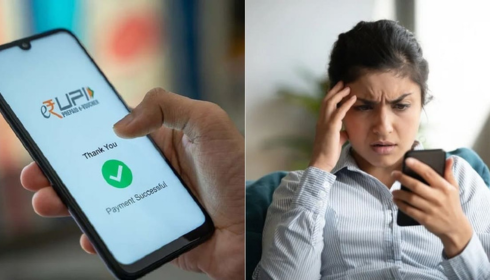
In today’s fast-moving digital world, online payments have made life easier—but they’ve also increased the chances of mistakes and fraud. Whether it’s a wrong transfer to an unknown account or an unauthorized deduction, dealing with such situations can be stressful. Understanding what steps to take immediately can help you recover your money and avoid future risks.
Understanding a Wrong Transaction
A Wrong transaction typically occurs when money is transferred to the wrong bank account due to incorrect details like account number, IFSC code, or mobile number. This can happen during UPI payments, NEFT transfers, or even while using mobile wallets.
Sometimes, the issue isn’t just a simple mistake—it could also involve fraudulent activities where scammers trick users into sending money. In both cases, acting quickly is crucial. Banks and financial institutions follow strict protocols, and delays can reduce the chances of recovery.
Immediate Steps to Take
The moment you realize a transaction has gone wrong, you should:
- Contact your bank’s customer care immediately
- Provide transaction details such as date, amount, and reference number
- Request the bank to initiate a reversal or hold the funds if possible
- Inform the receiving bank (if known)
Speed matters here. If the receiving account holder hasn’t withdrawn the money yet, there’s a higher chance of recovery.
Filing a Complaint for Fraud Transaction
If you suspect that the transaction was not just an error but a scam, you must file a complaint for fraud transaction without delay. This step is essential for both recovery and legal protection.
Start by lodging a complaint with your bank. Most banks allow complaints through:
- Customer care helpline
- Online banking portal
- Mobile banking apps
- Visiting the nearest branch
Additionally, in India, you can report fraud on the national cybercrime portal. This helps authorities track scammers and may increase your chances of getting your money back.
Role of Banks and RBI Guidelines
Banks operate under strict guidelines issued by the Reserve Bank of India (RBI). According to these rules:
- Customers must report unauthorized transactions within a specified time (usually 3 days)
- If reported promptly, the customer’s liability may be zero or limited
- Banks are required to investigate and resolve complaints within a defined timeline
However, recovery is not always guaranteed, especially if the recipient withdraws the funds quickly. That’s why quick action is always advised.
Tips to Avoid Such Issues
Prevention is always better than cure. Here are some practical tips:
- Double-check account details before sending money
- Use saved beneficiaries instead of entering details manually
- Avoid clicking on suspicious links or sharing OTPs
- Enable transaction alerts for real-time updates
- Use trusted apps and secure internet connections
Being cautious can significantly reduce the risk of both errors and fraud.
What If the Money Is Not Recovered?
If your bank fails to resolve the issue, you still have options:
- Escalate the complaint to the bank’s grievance officer
- Approach the Banking Ombudsman
- File a police complaint in serious fraud cases
Documentation is key—keep records of all communications, transaction receipts, and complaint numbers.
Final Thoughts
Mistakes and fraud in financial transactions can happen to anyone. The important thing is not to panic but to act swiftly and follow the correct procedures. Whether it’s a simple error or a serious scam, knowing your rights and responsibilities can make a big difference.
In a digital economy, awareness is your strongest defense. Stay alert, verify every transaction, and don’t hesitate to report issues immediately. By taking the right steps at the right time, you can minimize losses and protect your hard-earned money.