
I never thought I’d become the kind of person who nerds out over water filters. But here I am, a few years into my clean water obsession, preaching about what comes out of our taps like it’s a moral mission. It’s wild how something as simple as water—just water—can change the way you feel, function, and frankly, think.
When Tap Water Isn’t Just Water
Let’s get this out of the way: your water might look clear, might even taste “fine,” but that doesn’t mean it’s doing your body any favors. Most of us grew up trusting our tap, maybe throwing a cheap filter into a jug now and then. But between chlorine, lead, microplastics, pharmaceutical residues, and who knows what else—well, it’s no longer just about taste.
I started paying attention after I noticed my toddler refusing to drink tap water. She couldn’t explain why—it just “smelled funny.” That was enough to push me down a rabbit hole of research, and what I found wasn’t comforting.
The Filter That Gets It Right
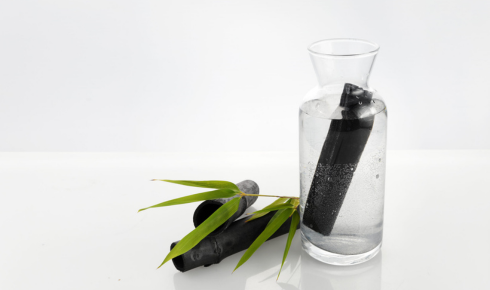
Enter the unsung hero of water filtration: the carbon block filter. If you’ve never heard of it, you’re not alone. It doesn’t come with flashy marketing like alkaline pitchers or UV purifiers. But it works—quietly and powerfully.
What makes it special? Unlike granular carbon filters that let water sort of slosh through loosely packed particles, a carbon block is solid, dense, and precisely engineered. It forces water to pass through a maze of microscopic pores, trapping contaminants with incredible efficiency. Chlorine, VOCs, pesticides, even microscopic sediments—it catches them all. And it doesn’t strip the water bare either. You still get those beneficial minerals your body actually needs.
The result? Water that tastes like nothing… in the best way. Clean. Crisp. No weird after-smells. And absolutely no paranoia with every sip.
Detoxing More Than Just the Body
What I didn’t expect was how cleaning up my water would start cleaning up other parts of my life too. See, when you start being mindful of what you’re putting in your body, it trickles out—pun fully intended.
I swapped out plastic bottles for glass jugs. I stopped buying sugary drinks and noticed I was hydrating more because the water actually tasted good. Even my skin calmed down—fewer breakouts, less redness. I can’t say that was only the water, but it sure didn’t hurt.
The psychological lift was real too. There’s something powerful about knowing your daily habits—like simply filling up a glass—are aligned with a larger intention. That’s where nontoxic water filtration really earns its place in your routine. It’s not just about avoiding bad stuff. It’s about choosing better. For your health, your family, the planet.
The Kids, the Pets, the Plants — They All Notice
I wasn’t the only one who noticed a change. My daughter, the same one who used to grimace at tap water, started asking for her “magic water” when she got home from school. Our dog began drinking more (which meant fewer vet trips due to dehydration issues). Even our houseplants looked perkier.
At first, I thought it was in my head. But if multiple living beings start responding better to something, there’s probably a reason. Clean water just feels better. It’s kind of like switching from fast food to a home-cooked meal. Hard to quantify, but unmistakably different.
No Smells. No Chemicals. Just Water.
One of the most underrated signs that your filter is doing its job? When your water becomes completely unnoticeable. Sounds strange, right? But when you sip and there’s no earthy aftertaste, no bleach-like odor, no plastic tang—you’ve hit the jackpot. That’s odorless drinking water, and trust me, it’s a joy you never knew you were missing.
Funny enough, friends who visit always comment on how good our water tastes. It’s not bottled. Not flavored. Just filtered properly. Once you experience it, it’s hard to go back.
It’s Not That Complicated (or Expensive)
Here’s the kicker: you don’t need a fancy $1,500 under-sink monstrosity or some futuristic-looking countertop device. A solid filtration setup using a carbon block filter can cost less than a couple hundred bucks—and that includes installation. Maintenance is a breeze, and you don’t need to be a plumber to swap out the filter cartridges every 6–12 months.
It’s one of those rare purchases where the ROI is immediate. You taste it. You feel it. You see it in how much less you’re spending on bottled water or soda.
It’s About More Than Just Health
Clean water isn’t just about hydration or removing toxins. It’s a foundational piece of a lifestyle that values clarity, quality, and intention. When you commit to it, other things start aligning. You cook fresher meals. You sleep better because you’re not up all night peeing out excess sodium or caffeine. You start noticing what’s essential—and what’s just noise.
And no, I’m not saying water can fix everything. But in a world full of stress, pollution, and “just okay” standards, it’s one simple upgrade that makes a big difference without much effort.
A Personal Choice with Communal Impact
Choosing better water isn’t just about you. It’s a quiet form of resistance—against throwaway culture, against the idea that “good enough” is good enough. It means fewer plastic bottles ending up in oceans. Fewer toxins making their way into groundwater. And fewer households unknowingly settling for less.
It’s one of the most personal decisions you can make—and yet, it sends ripples far beyond your kitchen sink.
Final Thoughts: Take the First Sip
If you’re still on the fence, here’s my advice: try it for a week. Pick up a pitcher or install a simple carbon block under your sink. Drink only filtered water. See how your body responds. See how your habits shift. See how your mindset follows.
You might just realize that something as simple as water—clear, clean, and truly nontoxic—can be the quiet upgrade you’ve been needing all along.
Because when your water is right, a lot of other things fall into place.