
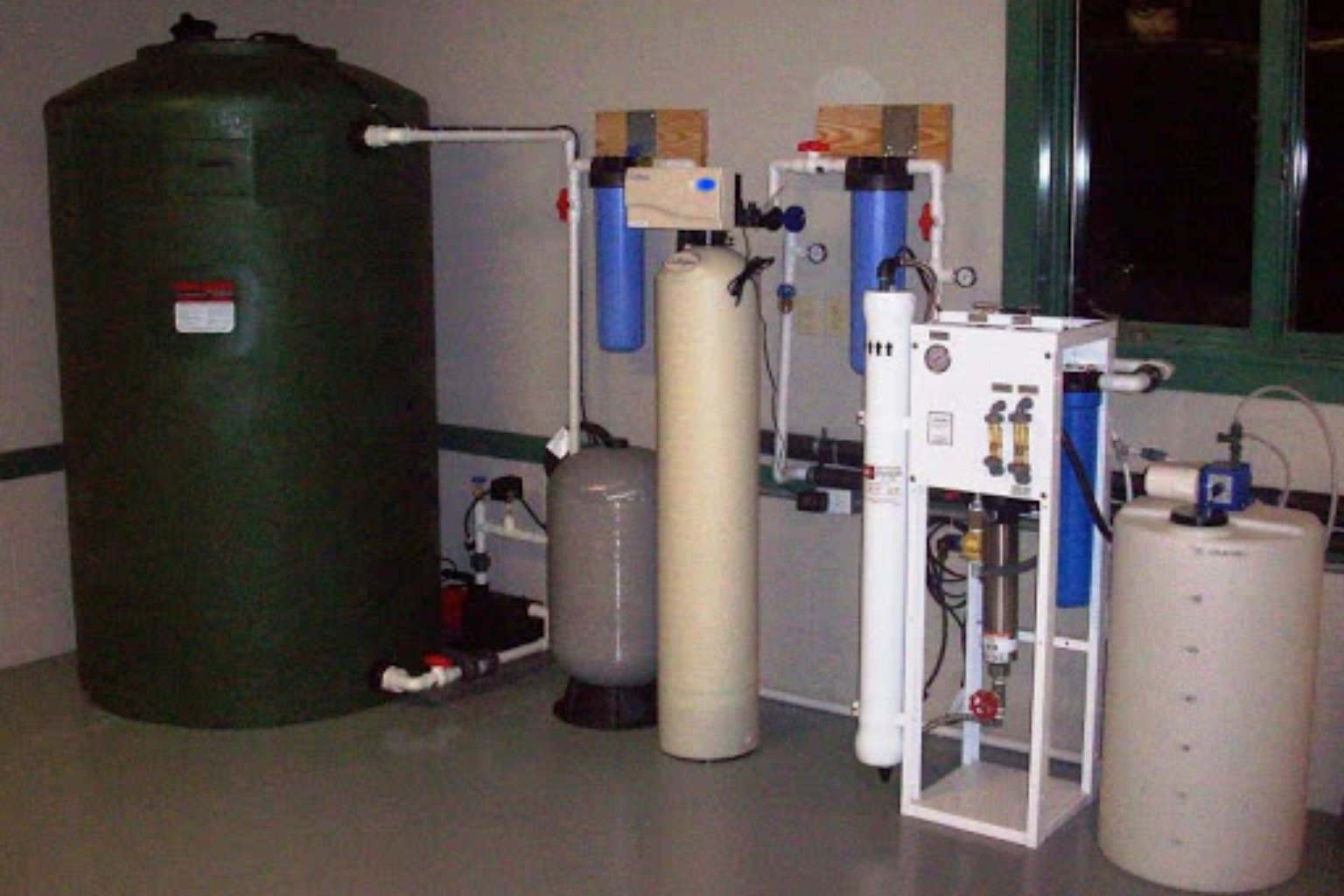
Most people don’t think about their water system until something feels off. Maybe the tap runs slightly cloudy after a storm. Maybe the shower pressure dips. Or maybe you pour a glass of water and notice tiny floating particles catching the light.
It’s rarely dramatic. But it’s enough to make you pause.
And once you start paying attention, you realize water quality isn’t just about taste. It’s about how your entire home feels — how your appliances run, how your laundry looks, how comfortable you feel filling a glass straight from the sink.
Designing the right water treatment system isn’t about chasing trends. It’s about layering solutions thoughtfully.
Starting With the Basics: Clearing the Water
Before diving into advanced systems, it’s important to address the foundation — physical particles in the water.
Sediment can enter your plumbing from aging municipal infrastructure, private wells, or even routine maintenance on city lines. Sand, silt, rust flakes — small particles that cloud water and gradually clog fixtures.
That’s where staged sediment filtration becomes valuable.
Instead of relying on a single filter, staged systems use multiple layers that capture particles of different sizes. A larger micron filter might catch visible debris first, while finer filters handle smaller particles downstream.
It’s a practical approach. Think of it like sieving flour before baking — you remove the obvious clumps first, then refine further.
Sediment filtration often goes unnoticed once installed. But its impact is real: improved clarity, better appliance performance, and fewer clogged aerators. It’s not flashy, but it sets the stage for everything else.
Addressing Microbial Concerns
For homes using well water — and sometimes even municipal supplies during certain conditions — microbial safety becomes part of the conversation.
Water may look clear and taste fine while still carrying microscopic organisms. In those cases, uv disinfection offers a chemical-free way to neutralize bacteria and viruses.
Ultraviolet systems work by exposing water to intense UV light as it passes through a chamber. The light disrupts the DNA of microorganisms, preventing them from reproducing.
It’s a quiet technology. No taste. No smell. No additives. Just invisible protection working behind the scenes.
Of course, UV systems don’t remove sediment or dissolved minerals. They’re part of a broader strategy, not a standalone cure-all. That’s why sequencing matters. Sediment filtration typically comes first, ensuring the UV light can work effectively without interference from cloudy water.
Layered thoughtfully, these systems complement each other.
Refining What You Drink Most
While whole-home treatment improves general water quality, many homeowners focus especially on what they consume directly.
That’s where the idea of polished drinking water comes into play.
Under-sink systems — often including activated carbon and reverse osmosis membranes — target taste, odor, and dissolved solids. The result is water that feels lighter, cleaner, almost neutral.
You notice it in small ways. Ice cubes freeze clearer. Coffee tastes brighter. There’s no lingering aftertaste in your glass.
It’s not about fear. It’s about refinement.
For some households, this final polishing step makes all the difference. It’s like the finishing coat on a well-built piece of furniture — not strictly necessary for function, but transformative in experience.
Why Order Matters
One mistake people make is installing systems without thinking about how they interact.
Water treatment isn’t random. It follows a logical progression.
First, remove physical particles. Then address microbial concerns if needed. Finally, refine taste and dissolved solids where it matters most.
Each stage builds on the previous one.
When systems are installed out of order, performance suffers. Filters clog prematurely. UV chambers become less effective. Maintenance becomes more frequent than expected.
Thoughtful design prevents these headaches.
Maintenance Is the Unsung Hero
Even the most advanced system won’t maintain itself.
Sediment filters require replacement. UV bulbs lose intensity over time. Carbon filters become saturated. Ignoring these details gradually undermines performance.
But maintenance doesn’t have to be overwhelming. With a simple schedule and occasional professional check-ins, systems can run smoothly for years.
The key is understanding that water treatment is ongoing, not a one-time fix.
The Emotional Side of Clear Water
There’s something reassuring about turning on the tap and seeing clear, consistent water. No cloudiness. No odd smells. No second-guessing.
Water flows through every routine — cooking, bathing, cleaning. When it’s balanced and clean, you don’t think about it. And that’s the point.
Good water treatment fades into the background.
Choosing What’s Right for You
Not every home needs every system. The right setup depends on water source, local conditions, and personal priorities.
Testing remains the smartest first step. It reveals whether sediment is a concern, whether microbial protection is necessary, or whether taste refinement should be prioritized.
From there, building a layered system becomes straightforward.
The Quiet Confidence of Getting It Right
When you combine proper sediment control, microbial safeguards, and drinking water refinement, the result isn’t dramatic. It’s steady.
Your water becomes reliable.
You stop noticing it — in the best way possible.
And that’s what thoughtful water system design really offers: not flashy technology, but everyday peace of mind.