
Understanding In-Home Care Services in Victoria
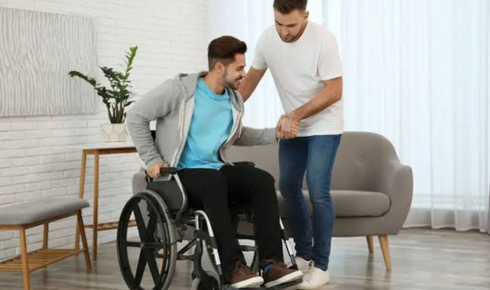
In-home care services in Victoria are designed to support individuals who need assistance with daily living while remaining in the comfort of their own homes. These services are commonly used by older adults, people with disabilities, and individuals recovering from illness or injury. The goal is to promote independence, dignity, and safety while ensuring access to professional support when needed. Care plans are tailored to each person’s unique requirements, covering personal care, household tasks, mobility assistance, and social support. By receiving care at home, individuals can continue their routines and stay connected to their community, which greatly enhances their overall wellbeing. Related: 40 Proven Tips for Better Sleep and Overall Wellness
Benefits of Continuous 24-Hour Support
For individuals with high or complex care needs, continuous support can be essential for maintaining safety and stability. Round-the-clock care ensures that assistance is always available, whether during the day or night.24 hours in-home care Victoria services provide trained support workers who can respond to emergencies, assist with medication, support mobility, and help with personal care tasks at any time. This level of care reduces stress for families and ensures that individuals are never left without support. It also helps prevent hospital admissions or unnecessary transitions into residential care, allowing people to remain in familiar surroundings where they feel most comfortable.
Personalised Care for Individual Needs
Every person has different care requirements, which is why in-home care services focus on personalised support plans. These plans are developed after a detailed assessment of the individual’s physical, emotional, and social needs. Care workers then deliver services that align with the person’s lifestyle, preferences, and goals. This may include assistance with showering, dressing, meal preparation, medication reminders, and companionship. Personalised care ensures that individuals maintain as much independence as possible while receiving the right level of support. It also helps build strong relationships between clients and support workers, fostering trust and consistency in care delivery. Related: 35 Superfoods You Should Add to Your Diet Today
The Importance of Positive Behaviour Support
Behavioural challenges can significantly impact daily life for individuals with psychosocial or intellectual disabilities. Positive Behaviour Support (PBS) focuses on understanding the causes of behaviours and developing strategies to improve quality of life. The aim is to reduce restrictive practices and encourage positive, meaningful behaviours through structured support plans.Positive Behaviour Support Victoria services work closely with individuals, families, and care teams to create evidence-based strategies that promote emotional regulation, communication skills, and community participation. This approach not only improves behaviour outcomes but also enhances independence and overall wellbeing. Related: 25 Self-Care Routines for a Healthier Mind and Body
Enhancing Quality of Life Through Behavioural Support
Positive Behaviour Support is not just about managing behaviour; it is about improving a person’s overall quality of life. Support practitioners focus on identifying triggers, teaching coping strategies, and building environments that encourage positive interactions. In Victoria, PBS services are integrated with other care supports to ensure a holistic approach. This may include collaboration with therapists, support workers, and family members. By addressing underlying needs rather than just behaviours, individuals experience greater stability, reduced stress, and improved confidence in daily activities.
Integrating In-Home Care and Behaviour Support
When in-home care services are combined with Positive Behaviour Support, individuals receive a more comprehensive and effective support system. Care workers implement behaviour support strategies during daily routines, ensuring consistency across all aspects of care. This integration helps reinforce positive behaviours and reduces the likelihood of behavioural challenges. It also ensures that families and carers are supported with clear guidance and practical strategies. In Victoria, this coordinated approach leads to better outcomes, as individuals receive both the physical assistance and emotional support they need to thrive. Related: 20 Nutritional Myths You Should Stop Believing
Conclusion
In-home care and Positive Behaviour Support services play a crucial role in supporting individuals with complex needs across Victoria. With continuous care options and structured behavioural strategies, individuals can live safely, independently, and with dignity in their own homes. These services not only improve daily living but also empower individuals to build skills, confidence, and stronger community connections, leading to a better quality of life overall. Related: 15 Quick Workouts to Stay Fit on a Busy Schedule


