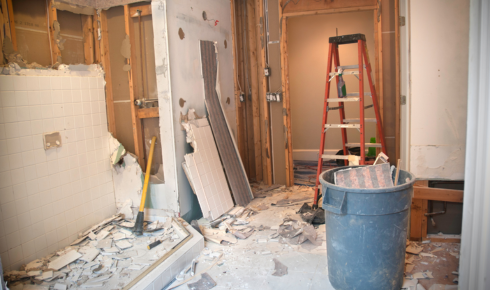
Home renovations bring excitement, visual upgrades, and improved functionality. However, many homeowners overlook one common side effect that appears during or shortly after renovation work: increased pest activity. This does not happen by chance. Renovation debris, exposed materials, and temporary moisture changes create ideal conditions that attract pests into the home.
Understanding why pests are drawn to renovation sites and how to manage these risks helps protect your newly upgraded spaces and prevents avoidable infestations.
The Hidden Aftermath of Home Renovations
Almost every renovation generates waste. Sawdust, timber offcuts, insulation fragments, packaging materials, and construction residue often accumulate during the process. These materials may sit temporarily in corners, garages, or outdoor areas, but even short exposure can attract pests.
Renovation debris provides shelter and nesting materials that pests actively seek. When waste is not removed promptly, pests can establish themselves quietly before homeowners notice any signs. Once they gain access, infestations can spread into wall cavities, roof spaces, and cabinetry. Related: When the Storm Leaves Questions Behind: Navigating Damage and Decisions Without the…
Why Construction Materials Create Pest-Friendly Conditions
Construction materials are highly attractive to pests because many of them contain organic components. Timber, cardboard, and paper-based packaging provide food and shelter for insects and rodents.
Moisture further increases the risk. Renovations involving plumbing, kitchens, or bathrooms often leave behind damp surfaces or minor leaks. Even short-term moisture around work zones creates favourable conditions for pests, particularly cockroaches, which rely on water to survive.
When debris and moisture are present together, pests find everything they need to settle and multiply.
How Kitchen Renovations Can Invite Pest Activity
Kitchen upgrades are one of the most common renovation projects and also one of the most vulnerable areas for pest intrusion. During the installation of cabinetry, appliances, or a granite stone benchtop, gaps may temporarily appear around framing, walls, and joins.
If these openings are not sealed correctly, pests can move into hidden areas behind cabinets and benchtops. Under-sink plumbing connections and new water lines can also introduce moisture, which further increases pest attraction.
Even well-finished kitchens can experience pest problems if underlying gaps and damp areas are left unaddressed during the renovation process. Related: Let the Light In: Designing Open Spaces That Actually Feel Like Home
Timber Exposure and Structural Risk
Renovations often expose structural timber in walls, floors, or roof spaces. This exposure can increase the risk of termite activity, especially if timber remains untreated or unprotected for extended periods.
Termites are drawn to cellulose-rich materials and can begin feeding long before visible damage appears. Renovation work can unintentionally create access points that allow termites to move deeper into the structure.
This is why professional pest control assessments are important during renovation planning. Early inspections help identify risks, detect early activity, and protect exposed timber before colonies establish themselves.
Why Cockroach Activity Increases After Renovations
Renovation environments are highly attractive to cockroaches. Construction residue, food particles, spilled liquids, and warm, enclosed spaces create ideal conditions for them to thrive.
Unsealed cracks behind cabinets, hollow wall voids, and debris piles allow cockroaches to hide and breed undisturbed. Once established, they can be difficult to eliminate without professional assistance because they nest in areas that standard treatments cannot reach. Related: Granny Flat Builders in Adelaide: Upgrade Your Property with Expert Home Renovations
In post-renovation homes, cockroach pest control becomes essential to locate nesting zones and remove infestations before they spread throughout the property.
Practical Pest Prevention Before, During, and After Renovations
Pest prevention should be part of every renovation plan, not an afterthought. Taking proactive steps at each stage significantly reduces the risk of infestations.
Before Renovation
Schedule a pest inspection to identify existing issues. Seal visible gaps and store building materials off the ground and away from moisture.
During Renovation
Remove debris daily. Keep work areas dry and ensure good ventilation. Cover exposed wall cavities and floor openings when not in use.
After Renovation
Inspect behind cabinets, under benchtops, and inside wall voids once work is complete. Consider a post-renovation pest inspection to catch hidden activity early.
These actions disrupt pest habitats before they become established. Related: Smart Shopping Strategies for Every Household
Including Pest Prevention in Your Renovation Planning
Pests are attracted to opportunity, not neglect. Renovation debris, exposed timber, and moisture provide exactly what they need. Without planning, even high-quality renovations can introduce long-term pest issues.
By managing debris properly, sealing access points, and arranging inspections where timber or moisture is involved, homeowners protect their investment. Incorporating services such as termite control and cockroach pest control ensures renovated spaces remain clean, safe, and pest-free.
FAQs
Why does renovation debris attract pests?
Timber, cardboard, sawdust, and moisture provide food and shelter that pests actively seek during renovations.
Should pest inspections be done before renovations start?
Yes. Inspections help identify risks and allow preventive measures to be taken before work begins.
How quickly can pests appear after renovation work?
Pests can move in during construction and become noticeable within weeks if debris and moisture are present.
Is cleaning debris enough to prevent infestations?
Cleaning helps, but sealing gaps and managing moisture are equally important. Related: Finding Better Drinking Water for Your Home in Dade City
Is termite control necessary for kitchen renovations?
Yes. Renovations can expose timber and create access points that increase termite risk.