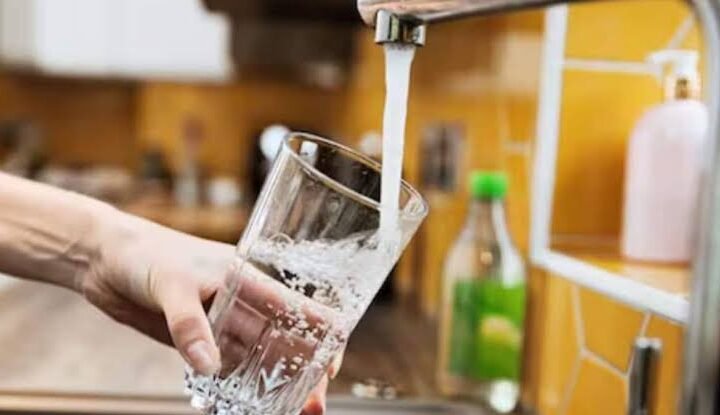
You turn on the tap. A clear stream flows out. You fill your glass, maybe take a sip without thinking twice. But have you ever paused and wondered, what exactly am I drinking?
We’ve all heard stories—lead in Flint, PFAS (aka “forever chemicals”) popping up everywhere, or strange smells in well water. It’s the kind of thing you assume happens to someone else, somewhere else. Until it doesn’t.
The truth is, most of us don’t really know what’s in our water. And yet, it’s something we use every single day—for drinking, cooking, bathing, washing. That’s why a closer look into water testing is more than just a technical checklist—it’s a simple, proactive act of care. Related: Finding Better Drinking Water for Your Home in Dade City
Water That Looks Clean Isn’t Always Safe
One of the most misleading things about water is that it can look crystal clear and still be hiding trouble. Just because your tap isn’t brown or smelly doesn’t mean it’s clean. Microorganisms, metals, chemicals, and even pharmaceuticals can lurk invisibly.
Especially if you’re using well water or live in an area with older plumbing, the risk is real. But even municipal water sources—yes, even in the U.S.—can fall short due to outdated infrastructure, industrial runoff, or simply human error. That’s why trusting your eyes (or your taste buds) isn’t enough.
You’ve got to test it to trust it.
Understanding What’s Really in the Mix
Now here’s where it gets a bit geeky—but in the best way. When we talk about what might be in your water, we’re talking about a whole spectrum of contaminants. These aren’t just dramatic headline-making pollutants. They include everyday stuff like:
- Lead and copper from old pipes
- Chlorine and chloramine from disinfection processes
- Bacteria and viruses (especially in private wells)
- Nitrates and pesticides from farming runoff
- PFAS from nonstick pans, cosmetics, or waterproof clothing
Even if these are present in tiny amounts, long-term exposure can quietly build up in your system. And that’s where the real damage can creep in—not overnight, but over the years. Related: Making Better Water Easier: A Practical Guide to Whole-Home Water Treatment
The Health Risks You Don’t Want to Gamble With
So what happens when these contaminants make their way into your daily routine? Well, it depends. For some, there may be no immediate reaction. For others—especially kids, pregnant women, the elderly, or anyone with a compromised immune system—the impact can be serious.
We’re talking about increased health risks like:
- Neurological damage from lead
- Reproductive issues from nitrates
- Gastrointestinal illness from bacteria
- Hormonal disruption from PFAS
- Cancer risks linked to long-term chemical exposure
Not to scare you. But we should all be just as cautious about what’s in our water as we are about the food we eat. After all, your body can’t filter what your water doesn’t.
Testing: Not Just for Scientists or Health Nuts
If you’re imagining complicated labs or expensive gear, breathe easy. Home water testing kits are easier and more affordable than ever. There are two general types:
- DIY Test Strips – You dip a strip in your water and compare the color changes to a chart. Great for a quick read on chlorine, hardness, pH, etc.
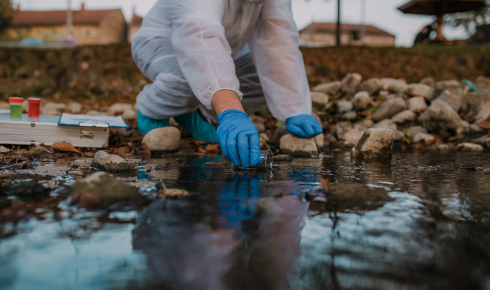
- Lab Testing Kits – You collect a sample, send it to a certified lab, and get a detailed report on everything from heavy metals to microbial contamination.
Municipal water reports are a good starting point (your water provider is required to publish one annually), but they won’t show what’s coming through your pipes. Testing your own tap is the only way to know for sure. Related: Why Professional Water Treatment Installation Makes a Real Difference
So… What Should You Actually Do?
Start small. Start somewhere. If you’ve never tested your water, order a basic kit. Just knowing the pH and hardness can be eye-opening. Live near a farm or industrial area? Definitely test for nitrates or chemical runoff. On a private well? That’s a no-brainer—test everything once a year, minimum.
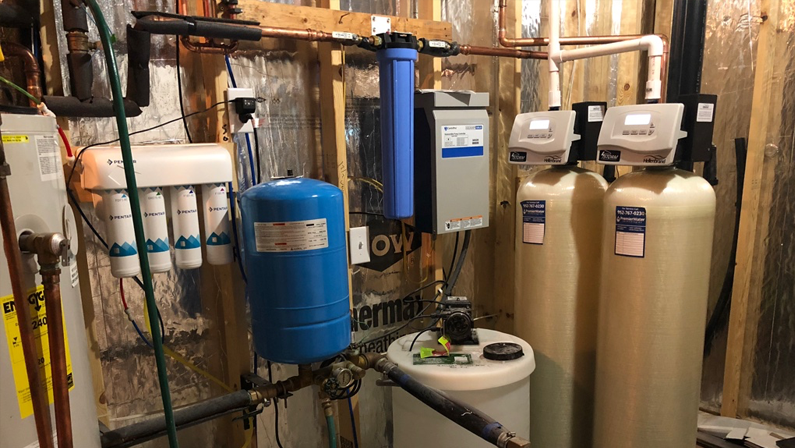
And if your results come back less-than-perfect? No need to panic. There are solid water filtration options available for every budget—from under-sink reverse osmosis systems to whole-house carbon filters. Knowledge isn’t just power—it’s a path forward.
Don’t Wait for a Problem to Show Up
Here’s the thing. Most people only think about their water after something goes wrong—when they smell sulfur, when a pipe bursts, or when someone in the house gets sick. But by then, it’s often too late.
Taking control of your water quality today means fewer worries tomorrow. No more guessing. No more wondering. Just peace of mind with every sip. Related: How Whole-House Water Filtration Can Transform the Quality of Your Home’s Water
We spend so much time chasing better health—buying vitamins, blending kale smoothies, paying for gym memberships. But sometimes, one of the best things we can do is something as simple as making sure the water we’re already drinking is actually safe.
Final Thoughts: Clear Water, Clear Conscience
There’s something comforting about turning on your tap and knowing exactly what’s coming out of it. No surprises. No silent threats.
In a world where so many things feel uncertain, that’s a small but mighty win.
So go ahead. Test your water. Learn what’s in it. And take steps to make it better, if you need to. Your body—and your future self—will thank you for it. Related: Why Better Water at Home Feels Like a Bigger Change Than You…
Because clean water isn’t a luxury. It’s a right. And the first step to protecting that right… starts at your faucet.